THE UWI FIVE ISLANDS CAMPUS OECS BUDGET WATCH 2025
EmoNews Contributor
May 26, 2025
Tracking the Numbers. Unpacking the Priorities. Spotlighting the Future.
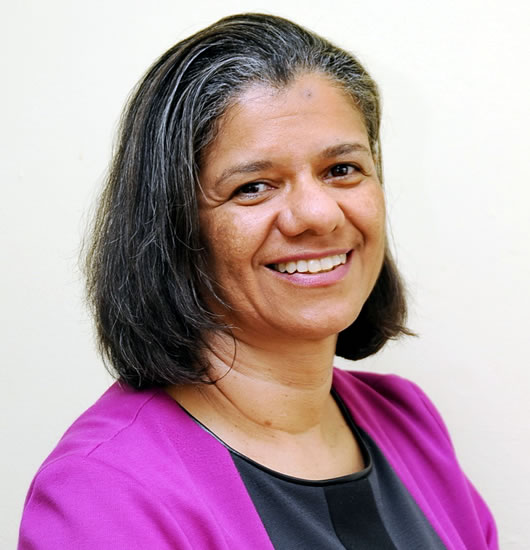
By Professor C. Justin Robinson Pro Vice-Chancellor and Principal, UWI Five Islands Campus
In the Eastern Caribbean, budgets are more than balance sheets—they are roadmaps of resilience, declarations of intent, and reflections of political will. As each government across the OECS has tabled its 2025 national budget, several questions loom large: Who is getting it right? Who is fuelling real growth? Who is taming inflation? Who is borrowing too much—or investing too little? And what do these choices mean for the region’s future?
This five-part Budget Watch series—curated by the UWI Five Islands Campus—dives into the economic and fiscal narratives unfolding across six member states: Antigua and Barbuda, Dominica, Grenada, Saint Lucia, St. Kitts and Nevis, and St. Vincent and the Grenadines. Based on official 2025 budget estimates, 2024 fiscal outcomes, and IMF reviews, these articles combine hopefully rigorous analysis with plainspoken insight. Whether you are a policymaker, a business leader, a student, or a concerned citizen, this series is for you.
Here is what we unpack:
Growth and Inflation: Who is growing—and who is just grinding gears?
Debt and Deficits: Which nations are walking the fiscal tightrope—and which are losing their balance?
Spending Priorities: Is the money going to roads, salaries, or classrooms?
Revenue Reality: Who is paying the bills—and how long will it last?
Big Ideas: From youth savings accounts to mega-ports, what’s bold and bluff?
Read on to explore the hard data and harder decisions behind every Eastern Caribbean dollar.
ARTICLE 1:
UWI FIVE ISLANDS OECS BUDGET WATCH: “WHO’S GROWING AND WHO’S SLOWING? A LOOK AT ECONOMIC GROWTH AND INFLATION ACROSS THE EASTERN CARIBBEAN IN 2025”
By Professor C. Justin Robinson Pro Vice-Chancellor and Principal, UWI Five Islands Campus
The Eastern Caribbean is growing again, but not all growth is created equal. In 2025, some countries are sprinting toward resilience and reform, while others are jogging in place, held back by lost revenues, debt overhang, or policy paralysis. According to the 2025 budget documents and IMF assessments, Dominica, St. Lucia, St. Vincent and the Grenadines, and Grenada are projected to lead the region with GDP growth rates between 4% and 4.5%. Antigua and Barbuda comes in just below 3.5%, while St. Kitts and Nevis is taking the slow lane at just 2.5%, dragged by shrinking Citizenship by Investment (CBI) revenue.
The Growth Leaders
Dominica is riding the momentum of its international airport and geothermal energy projects.
Saint Lucia continues to reap the dividends of infrastructure expansion paired with social policy innovation.
St. Vincent, battered by Hurricane Beryl, is investing aggressively in recovery and modernization.
Grenada manages a careful rebuild with well-calibrated fiscal support despite the storm’s damage.
These nations are betting on capital projects to drive sustainable growth, even if that means bending fiscal rules in the short term.
The Middle of the Pack
Antigua and Barbuda sits just below the top tier, with a projected growth of 3.5%. That is a slowdown from its substantial 6% expansion in 2024, but still a healthy clip, particularly given its conservative fiscal approach and continued push for debt reduction.
Antigua’s strategy is careful consolidation: use surpluses to clear arrears, avoid new taxes, and invest in social infrastructure like education and housing. It may not be flashy, but it is earning international credibility.
The Outlier: St. Kitts and Nevis
At the other end of the spectrum is St. Kitts and Nevis, with projected growth of just 2.5%—the lowest in the OECS. The reason? A sharp fall-off in Citizenship by Investment (CBI) inflows left a significant hole in the 2024 budget and dampened investor confidence.
St. Kitts and Nevis is responding with reforms and a pivot toward renewable energy and youth empowerment, but it will take time to rebuild momentum. In the meantime, the economy is stuck in second gear.
Inflation: Finally Tamed—but Not Gone
Once roaring at post-COVID peaks across the region, inflation is expected to cool.
Country
2025 Inflation (Projected)
Grenada
0.7% ✅
St. Kitts & Nevis
~1.0% ✅
Saint Lucia
~2.0% 🌡
Dominica
~2.0% 🌡
Antigua
~3.0% ⚠️
St. Vincent
~2.5% ⚠️
Grenada and St. Kitts are regional champions of price stability, expected to keep inflation below 1%, thanks to prudent monetary anchoring and policy buffers.
Saint Lucia and Dominica are both in the sweet spot—moderate inflation, rising employment, and stable consumption.
Antigua is seeing slightly higher inflation, but still below 2022–2023 levels.
St. Vincent, even after Hurricane Beryl, has controlled post-disaster inflation—a commendable feat of fiscal and logistical coordination.
The Real Story: Quality Growth and Fiscal Credibility?
The 2025 growth figures are encouraging, but they mask a deeper story.
Dominica’s and St. Vincent’s growth is infrastructure-driven and funded heavily by debt and CBI inflows. Is it sustainable without continued borrowing or CBI reform?
Saint Lucia and Grenada show balanced growth, with capital investment and social policy working together.
Antigua is a model of steady fiscal management but risks under-investing in the face of global uncertainty.
St. Kitts must find new economic engines fast, or risk stagnation and fiscal fatigue.
Takeaway:
The Eastern Caribbean is bouncing back. But the composition of growth varies dramatically—from fast, fragile expansion to cautious consolidation.
The region must now confront three critical questions:
Can infrastructure-led growth be sustained without over-leveraging?
Will social policies deliver long-term productivity gains?
How will countries cushion themselves from global shocks once the next crisis hits?
The answers will not come easily, but they will shape the future of the OECS for a generation.
The Eastern Caribbean is growing again. But while some countries are accelerating toward recovery and resilience, others are finding themselves stuck in a slower lane.
Prof. C. Justin Robinson, a Vincentian and UWI graduate, holds a BSc in Management Studies, MSc in Finance and Econometrics, and PhD in Finance. With over 20 years at UWI, he has served in various leadership roles, including Dean and Pro Vice Chancellor, Board for Undergraduate Studies. A Professor of Corporate Finance with extensive research publications, he is actively involved in regional financial institutions and is currently the Principal of The UWI Five Islands Campus in Antigua and Barbuda.
Tracking the Numbers. Unpacking the Priorities. Spotlighting the Future.
By Professor C. Justin Robinson Pro Vice-Chancellor and Principal, UWI Five Islands Campus
In the Eastern Caribbean, budgets are more than balance sheets—they are roadmaps of resilience, declarations of intent, and reflections of political will. As each government across the OECS has tabled its 2025 national budget, several questions loom large: Who is getting it right? Who is fuelling real growth? Who is taming inflation? Who is borrowing too much—or investing too little? And what do these choices mean for the region’s future?
This five-part Budget Watch series—curated by the UWI Five Islands Campus—dives into the economic and fiscal narratives unfolding across six member states: Antigua and Barbuda, Dominica, Grenada, Saint Lucia, St. Kitts and Nevis, and St. Vincent and the Grenadines. Based on official 2025 budget estimates, 2024 fiscal outcomes, and IMF reviews, these articles combine hopefully rigorous analysis with plainspoken insight. Whether you are a policymaker, a business leader, a student, or a concerned citizen, this series is for you.
Here is what we unpack:
Growth and Inflation: Who is growing—and who is just grinding gears?
Debt and Deficits: Which nations are walking the fiscal tightrope—and which are losing their balance?
Spending Priorities: Is the money going to roads, salaries, or classrooms?
Revenue Reality: Who is paying the bills—and how long will it last?
Big Ideas: From youth savings accounts to mega-ports, what’s bold and bluff?
Read on to explore the hard data and harder decisions behind every Eastern Caribbean dollar.
ARTICLE 1:
UWI FIVE ISLANDS OECS BUDGET WATCH: “WHO’S GROWING AND WHO’S SLOWING? A LOOK AT ECONOMIC GROWTH AND INFLATION ACROSS THE EASTERN CARIBBEAN IN 2025”
By Professor C. Justin Robinson Pro Vice-Chancellor and Principal, UWI Five Islands Campus
The Eastern Caribbean is growing again, but not all growth is created equal. In 2025, some countries are sprinting toward resilience and reform, while others are jogging in place, held back by lost revenues, debt overhang, or policy paralysis. According to the 2025 budget documents and IMF assessments, Dominica, St. Lucia, St. Vincent and the Grenadines, and Grenada are projected to lead the region with GDP growth rates between 4% and 4.5%. Antigua and Barbuda comes in just below 3.5%, while St. Kitts and Nevis is taking the slow lane at just 2.5%, dragged by shrinking Citizenship by Investment (CBI) revenue.
The Growth Leaders
Dominica is riding the momentum of its international airport and geothermal energy projects.
Saint Lucia continues to reap the dividends of infrastructure expansion paired with social policy innovation.
St. Vincent, battered by Hurricane Beryl, is investing aggressively in recovery and modernization.
Grenada manages a careful rebuild with well-calibrated fiscal support despite the storm’s damage.
These nations are betting on capital projects to drive sustainable growth, even if that means bending fiscal rules in the short term.
The Middle of the Pack
Antigua and Barbuda sits just below the top tier, with a projected growth of 3.5%. That is a slowdown from its substantial 6% expansion in 2024, but still a healthy clip, particularly given its conservative fiscal approach and continued push for debt reduction.
Antigua’s strategy is careful consolidation: use surpluses to clear arrears, avoid new taxes, and invest in social infrastructure like education and housing. It may not be flashy, but it is earning international credibility.
The Outlier: St. Kitts and Nevis
At the other end of the spectrum is St. Kitts and Nevis, with projected growth of just 2.5%—the lowest in the OECS. The reason? A sharp fall-off in Citizenship by Investment (CBI) inflows left a significant hole in the 2024 budget and dampened investor confidence.
St. Kitts and Nevis is responding with reforms and a pivot toward renewable energy and youth empowerment, but it will take time to rebuild momentum. In the meantime, the economy is stuck in second gear.
Inflation: Finally Tamed—but Not Gone
Once roaring at post-COVID peaks across the region, inflation is expected to cool.
Country
2025 Inflation (Projected)
Grenada
0.7% ✅
St. Kitts & Nevis
~1.0% ✅
Saint Lucia
~2.0% 🌡
Dominica
~2.0% 🌡
Antigua
~3.0% ⚠️
St. Vincent
~2.5% ⚠️
Grenada and St. Kitts are regional champions of price stability, expected to keep inflation below 1%, thanks to prudent monetary anchoring and policy buffers.
Saint Lucia and Dominica are both in the sweet spot—moderate inflation, rising employment, and stable consumption.
Antigua is seeing slightly higher inflation, but still below 2022–2023 levels.
St. Vincent, even after Hurricane Beryl, has controlled post-disaster inflation—a commendable feat of fiscal and logistical coordination.
The Real Story: Quality Growth and Fiscal Credibility?
The 2025 growth figures are encouraging, but they mask a deeper story.
Dominica’s and St. Vincent’s growth is infrastructure-driven and funded heavily by debt and CBI inflows. Is it sustainable without continued borrowing or CBI reform?
Saint Lucia and Grenada show balanced growth, with capital investment and social policy working together.
Antigua is a model of steady fiscal management but risks under-investing in the face of global uncertainty.
St. Kitts must find new economic engines fast, or risk stagnation and fiscal fatigue.
Takeaway:
The Eastern Caribbean is bouncing back. But the composition of growth varies dramatically—from fast, fragile expansion to cautious consolidation.
The region must now confront three critical questions:
Can infrastructure-led growth be sustained without over-leveraging?
Will social policies deliver long-term productivity gains?
How will countries cushion themselves from global shocks once the next crisis hits?
The answers will not come easily, but they will shape the future of the OECS for a generation.
The Eastern Caribbean is growing again. But while some countries are accelerating toward recovery and resilience, others are finding themselves stuck in a slower lane.
Prof. C. Justin Robinson, a Vincentian and UWI graduate, holds a BSc in Management Studies, MSc in Finance and Econometrics, and PhD in Finance. With over 20 years at UWI, he has served in various leadership roles, including Dean and Pro Vice Chancellor, Board for Undergraduate Studies. A Professor of Corporate Finance with extensive research publications, he is actively involved in regional financial institutions and is currently the Principal of The UWI Five Islands Campus in Antigua and Barbuda.
It is a long established fact that a reader will be distracted by the readable content of a page when looking at its layout. The point of using Lorem Ipsum is that it has a more-or-less normal distribution of letters, as opposed to using ‘Content here, content here’, making it look like readable English. Many desktop publishing packages and web page editors now use Lorem Ipsum as their default model text, and a search for ‘lorem ipsum’ will uncover many web sites still in their infancy.
It is a long established fact that a reader will be distracted by the readable content of a page when looking at its layout. The point of using Lorem Ipsum is that it has a more-or-less normal distribution of letters, as opposed to using ‘Content here, content here’, making it look like readable English. Many desktop publishing packages and web page editors now use Lorem Ipsum as their default model text, and a search for ‘lorem ipsum’ will uncover many web sites still in their infancy.
The point of using Lorem Ipsum is that it has a more-or-less normal distribution of letters, as opposed to using ‘Content here, content here’, making
The point of using Lorem Ipsum is that it has a more-or-less normal distribution of letters, as opposed to using ‘Content here, content here’, making it look like readable English. Many desktop publishing packages and web page editors now use Lorem Ipsum as their default model text, and a search for ‘lorem ipsum’ will uncover many web sites still in their infancy.
We’re excited to introduce Emonew, Dominica’s fresh new source for general country news. From community updates to national stories, we’re here to keep you informed, connected, and up to date.