/ May 22, 2026
Trending
OECS Media Release
May 6, 2025
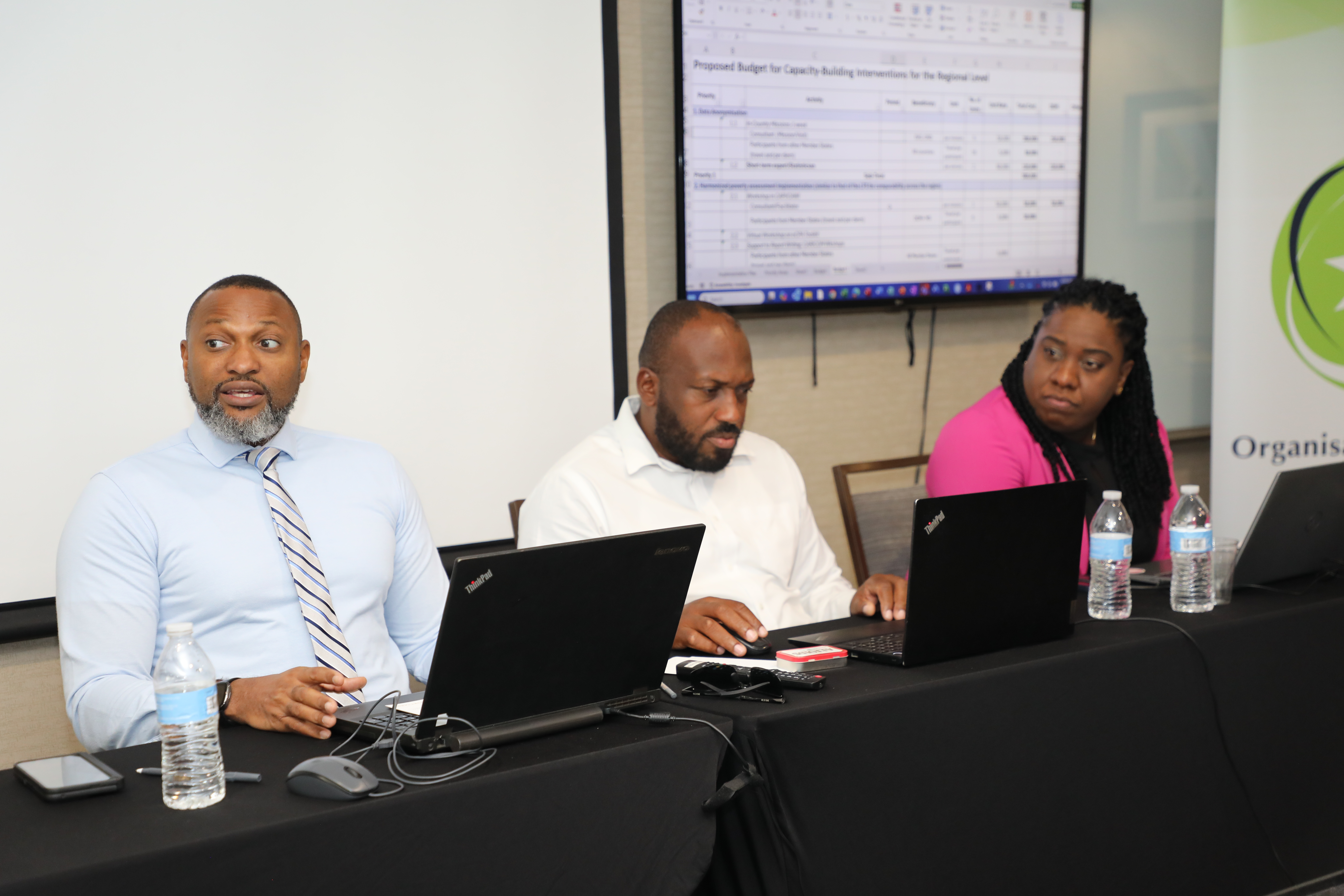
The OECS Regional Data Governance Council (RDGC) opened its fourth meeting on April 28, with a commitment to create a regional data governance framework and a five-year implementation plan for training and capacity building, a work program for the RDGC, and an accompanying budget.
The RDGC was launched under the World Bank-funded OECS Data for Decision Making (DDM) Project in 2023 and has a goal of harmonising data policies and practices, including the processes to capture, produce, manage, and share data for regional-level analytics. The RDGC also contributes to the implementation of the OECS Regional Strategy for the Development of Statistics (2017 – 2030).
On the opening day of the 4th Meeting of the RDGC, the represented members set the tone for the activity which ended on May 2, 2025. A recurring theme of the 4th RGDC is the need to provide usable information to stakeholders and the general public from the various surveys, statistics and data.
During the opening ceremony, Officer in Charge of the Economic Affairs and Regional Integration Division at the OECS Commission, Mr. Joel Richards, delivered remarks, noting,
“Good data provides the necessary information and insights to understand problems, to design appropriate interventions and, very importantly, to evaluate the impact of the interventions which have been designed. In our line of work, we cannot rely on anecdotal information for policy design. Good data, therefore, helps with evidence-based, effective implementation, rigorous policy evaluation, and enhanced transparency and accountability.”
Mr. Elbert Ellis Portfolio Manager, Social Sector Division, Projects Department of the CDB also supported the work of the RDGC. In his remarks, he said,
“In the absence of using robust, empirical data for decision-making processes, we are in effect managing by surprise… Without strong data systems, we cannot build resilient economies, inclusive societies or safeguard the future of generations yet unborn.
“CDB sees this forum as an important space to advance several priorities including enhancing open data policies, well-respected privacy and ethical standards, strengthening digital literacy at all levels among policymakers, civil servants, development partners and the public, mobilizing resources and partnerships to sustain investments in daily systems and ensuring that vulnerable and marginalized groups are visible with data so that no one is left behind.”
Grenada’s Director of Statistics (Ag.), Ms. Kenita Paul, handed over the chairmanship of the Council to the representative of Saint Kitts, Mr. Corneil Williams. The new Chair guided participants through a review of the activities being conducted by participating Member States and evaluated the experiences of using the new OECS Harmonized Labour Force Survey and the Survey on Living Conditions Questionnaires. On the opening day, Member States also provided updates on the 2020 round of the population and housing census.
Representatives from the Caribbean Development Bank (CDB), the OECS Commission, CARICOM, made reports on ongoing and upcoming programmes and projects, which included training, capacity building, knowledge sharing, and further harmonisation of tools and data that will benefit the RGDC and its Member States.
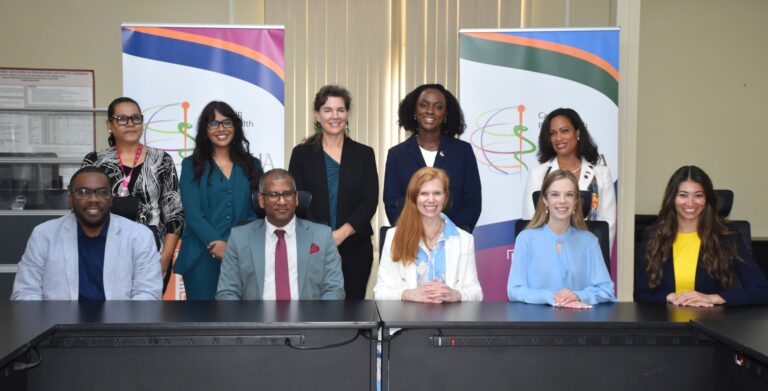
The 4th Meeting of the RDGC was attended by:
About DDM
The OECS Data for Decision-Making Project (DDM) is a World Bank-funded project, led by the Organisation of Eastern Caribbean States (OECS) Commission. It aims to enhance the availability and accessibility of data to facilitate informed decision-making across the region. The project benefits the following OECS Member States: Saint Lucia, Saint Vincent and the Grenadines, and Grenada.
OECS Media Release
May 6, 2025
The OECS Regional Data Governance Council (RDGC) opened its fourth meeting on April 28, with a commitment to create a regional data governance framework and a five-year implementation plan for training and capacity building, a work program for the RDGC, and an accompanying budget.
The RDGC was launched under the World Bank-funded OECS Data for Decision Making (DDM) Project in 2023 and has a goal of harmonising data policies and practices, including the processes to capture, produce, manage, and share data for regional-level analytics. The RDGC also contributes to the implementation of the OECS Regional Strategy for the Development of Statistics (2017 – 2030).
On the opening day of the 4th Meeting of the RDGC, the represented members set the tone for the activity which ended on May 2, 2025. A recurring theme of the 4th RGDC is the need to provide usable information to stakeholders and the general public from the various surveys, statistics and data.
During the opening ceremony, Officer in Charge of the Economic Affairs and Regional Integration Division at the OECS Commission, Mr. Joel Richards, delivered remarks, noting,
“Good data provides the necessary information and insights to understand problems, to design appropriate interventions and, very importantly, to evaluate the impact of the interventions which have been designed. In our line of work, we cannot rely on anecdotal information for policy design. Good data, therefore, helps with evidence-based, effective implementation, rigorous policy evaluation, and enhanced transparency and accountability.”
Mr. Elbert Ellis Portfolio Manager, Social Sector Division, Projects Department of the CDB also supported the work of the RDGC. In his remarks, he said,
“In the absence of using robust, empirical data for decision-making processes, we are in effect managing by surprise… Without strong data systems, we cannot build resilient economies, inclusive societies or safeguard the future of generations yet unborn.
“CDB sees this forum as an important space to advance several priorities including enhancing open data policies, well-respected privacy and ethical standards, strengthening digital literacy at all levels among policymakers, civil servants, development partners and the public, mobilizing resources and partnerships to sustain investments in daily systems and ensuring that vulnerable and marginalized groups are visible with data so that no one is left behind.”
Grenada’s Director of Statistics (Ag.), Ms. Kenita Paul, handed over the chairmanship of the Council to the representative of Saint Kitts, Mr. Corneil Williams. The new Chair guided participants through a review of the activities being conducted by participating Member States and evaluated the experiences of using the new OECS Harmonized Labour Force Survey and the Survey on Living Conditions Questionnaires. On the opening day, Member States also provided updates on the 2020 round of the population and housing census.
Representatives from the Caribbean Development Bank (CDB), the OECS Commission, CARICOM, made reports on ongoing and upcoming programmes and projects, which included training, capacity building, knowledge sharing, and further harmonisation of tools and data that will benefit the RGDC and its Member States.
The 4th Meeting of the RDGC was attended by:
About DDM
The OECS Data for Decision-Making Project (DDM) is a World Bank-funded project, led by the Organisation of Eastern Caribbean States (OECS) Commission. It aims to enhance the availability and accessibility of data to facilitate informed decision-making across the region. The project benefits the following OECS Member States: Saint Lucia, Saint Vincent and the Grenadines, and Grenada.