/ Aug 24, 2026
Trending
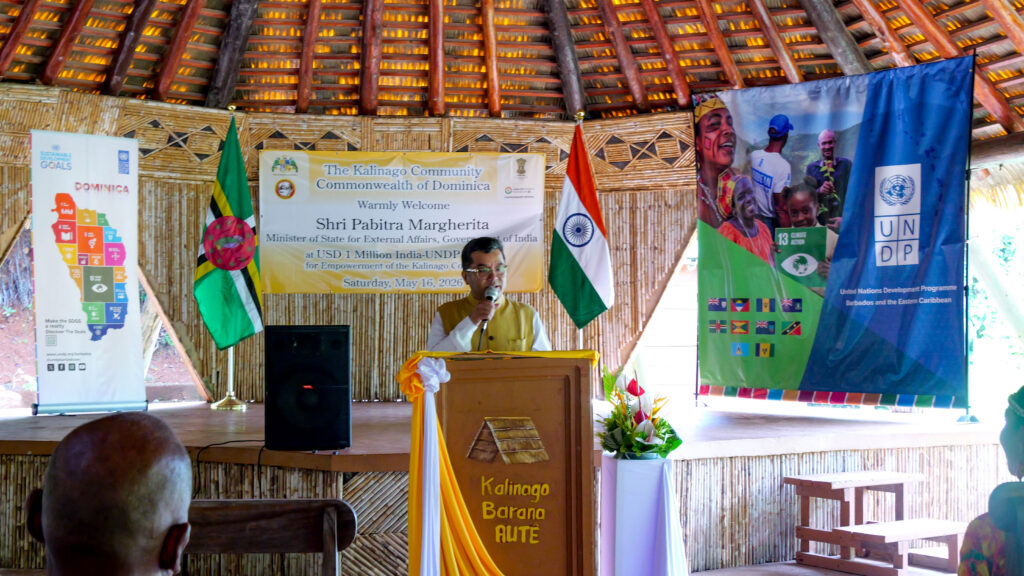
As part of a high‑level mission to the Commonwealth of Dominica, Minister of State for External Affairs of India, the Hon. Pabitra Margherita, on Saturday visited United Nations Development Programme (UNDP)-supported project activities in the Kalinago Territory, underscoring the strong partnership between the Government of India, UNDP, the Government of the Commonwealth of Dominica, and the Kalinago people in advancing climate resilience and sustainable development.
The visit highlighted progress under the Strengthening Community Resilience within the Kalinago Territory (SCR-K) Project, funded by the Government of India through the India-UN Development Partnership Fund administered by the UN Office for South-South Cooperation, and implemented by UNDP with the Government of Dominica and the Kalinago Council. The project supports the Kalinago Territory through an integrated approach that strengthens climate-resilient agriculture and food security, forest and watershed restoration, and sustainable Indigenous tourism and livelihoods, while prioritizing inclusive participation, gender equality and national ownership.
During the visit, the Indian delegation toured project sites focused on climate resilience, food security, environmental restoration and Indigenous livelihoods, showcasing how international partnerships are supporting locally driven development in Dominica’s Indigenous community.
Showcasing Climate and Community Action
The visit began at the Forestry Propagation Centre in Pond Casse, where seedlings are being prepared for reforestation activities in the Kalinago Territory. The initiative forms part of a wider effort to restore key watersheds and promote environmental stewardship, including engagement with children and youth.
At the Kalinago Barana Autê, the visiting delegation was welcomed with traditional cultural performances before taking part in project activities. These included the symbolic handover of backyard gardening kits to vulnerable households, aimed at improving food security, promoting climate‑smart agriculture and strengthening resilience to climate‑related shocks.
The visit also featured a tree‑planting ceremony, a tour of the Kalinago Barana Autê grounds, and a traditional cassava‑making demonstration, highlighting the importance of preserving Kalinago culture, knowledge and heritage alongside sustainable development.
The engagement brought together representatives of UNDP, the Government of India, and the Government of Dominica including the Ministry of Foreign, International Business, Trade and Energy, and the Ministry of Environment, Rural Modernisation and Kalinago Upliftment, as well as the Kalinago Council and community members. It reinforced the role of South-South cooperation in supporting community-led solutions for climate resilience, sustainable livelihoods and Indigenous development in Small Island Developing States like Dominica.
“India is pleased to see how partnerships through the India-UN Development Partnership Fund are supporting community‑driven development in the Kalinago Territory. This collaboration reflects the spirit of South‑South cooperation, grounded in solidarity, mutual respect and locally identified priorities,” Minister Margherita said.
Minister of Environment, Rural Modernisation and Kalinago Upliftment, Hon. Cozier Frederick said: “We welcome this visit as a recognition of the partnerships supporting resilience and sustainable livelihoods in the Kalinago Territory. The collaboration with UNDP and the Government of India continues to support nationally led priorities and community development.”
Kalinago Chief Anette Sanford said, “Today’s initiative, led by UNDP with the generous support of the Governments of India and Dominica, reflects a shared commitment, to empower communities, to invest in sustainable livelihoods, and to build systems that allow our people to thrive. To our partners, I extend sincere appreciation. Your collaboration demonstrates the power of collective action and international solidarity in addressing local challenges. To our government representatives, your presence underscores the importance of national support in strengthening indigenous communities. And to our beneficiaries, you are at the heart of this initiative, your participation and stewardship will determine its lasting impact.’’
Head of UNDP’s Project Office in Dominica, Justin Shone, said:
“Thank you to the Government of India for the continued trust and partnership with funding through the UN Office of South-South Cooperation, as well the partnership with the Government of Dominica. This second project from India at now a total investment of USD 2 million is making a real sustainable change to the enhanced resilience of the Kalinago people.”
Through its long-standing partnership with Dominica, UNDP remains committed to supporting Indigenous peoples and vulnerable communities to withstand and recover from climate and economic shocks, while strengthening institutions and initiatives that enable sustainable development.
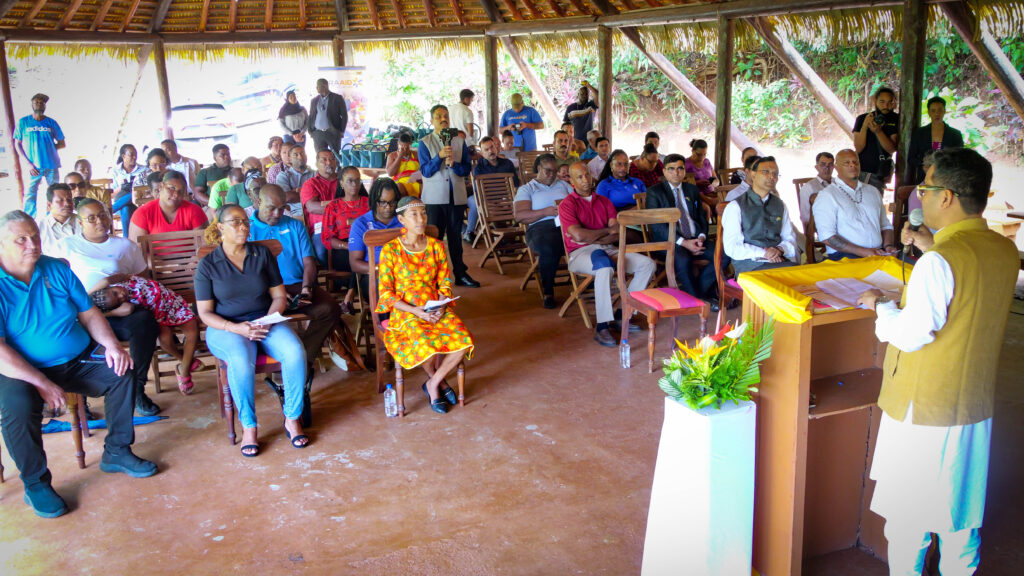
As part of a high‑level mission to the Commonwealth of Dominica, Minister of State for External Affairs of India, the Hon. Pabitra Margherita, on Saturday visited United Nations Development Programme (UNDP)-supported project activities in the Kalinago Territory, underscoring the strong partnership between the Government of India, UNDP, the Government of the Commonwealth of Dominica, and the Kalinago people in advancing climate resilience and sustainable development.
The visit highlighted progress under the Strengthening Community Resilience within the Kalinago Territory (SCR-K) Project, funded by the Government of India through the India-UN Development Partnership Fund administered by the UN Office for South-South Cooperation, and implemented by UNDP with the Government of Dominica and the Kalinago Council. The project supports the Kalinago Territory through an integrated approach that strengthens climate-resilient agriculture and food security, forest and watershed restoration, and sustainable Indigenous tourism and livelihoods, while prioritizing inclusive participation, gender equality and national ownership.
During the visit, the Indian delegation toured project sites focused on climate resilience, food security, environmental restoration and Indigenous livelihoods, showcasing how international partnerships are supporting locally driven development in Dominica’s Indigenous community.
Showcasing Climate and Community Action
The visit began at the Forestry Propagation Centre in Pond Casse, where seedlings are being prepared for reforestation activities in the Kalinago Territory. The initiative forms part of a wider effort to restore key watersheds and promote environmental stewardship, including engagement with children and youth.
At the Kalinago Barana Autê, the visiting delegation was welcomed with traditional cultural performances before taking part in project activities. These included the symbolic handover of backyard gardening kits to vulnerable households, aimed at improving food security, promoting climate‑smart agriculture and strengthening resilience to climate‑related shocks.
The visit also featured a tree‑planting ceremony, a tour of the Kalinago Barana Autê grounds, and a traditional cassava‑making demonstration, highlighting the importance of preserving Kalinago culture, knowledge and heritage alongside sustainable development.
The engagement brought together representatives of UNDP, the Government of India, and the Government of Dominica including the Ministry of Foreign, International Business, Trade and Energy, and the Ministry of Environment, Rural Modernisation and Kalinago Upliftment, as well as the Kalinago Council and community members. It reinforced the role of South-South cooperation in supporting community-led solutions for climate resilience, sustainable livelihoods and Indigenous development in Small Island Developing States like Dominica.
“India is pleased to see how partnerships through the India-UN Development Partnership Fund are supporting community‑driven development in the Kalinago Territory. This collaboration reflects the spirit of South‑South cooperation, grounded in solidarity, mutual respect and locally identified priorities,” Minister Margherita said.
Minister of Environment, Rural Modernisation and Kalinago Upliftment, Hon. Cozier Frederick said: “We welcome this visit as a recognition of the partnerships supporting resilience and sustainable livelihoods in the Kalinago Territory. The collaboration with UNDP and the Government of India continues to support nationally led priorities and community development.”
Kalinago Chief Anette Sanford said, “Today’s initiative, led by UNDP with the generous support of the Governments of India and Dominica, reflects a shared commitment, to empower communities, to invest in sustainable livelihoods, and to build systems that allow our people to thrive. To our partners, I extend sincere appreciation. Your collaboration demonstrates the power of collective action and international solidarity in addressing local challenges. To our government representatives, your presence underscores the importance of national support in strengthening indigenous communities. And to our beneficiaries, you are at the heart of this initiative, your participation and stewardship will determine its lasting impact.’’
Head of UNDP’s Project Office in Dominica, Justin Shone, said:
“Thank you to the Government of India for the continued trust and partnership with funding through the UN Office of South-South Cooperation, as well the partnership with the Government of Dominica. This second project from India at now a total investment of USD 2 million is making a real sustainable change to the enhanced resilience of the Kalinago people.”
Through its long-standing partnership with Dominica, UNDP remains committed to supporting Indigenous peoples and vulnerable communities to withstand and recover from climate and economic shocks, while strengthening institutions and initiatives that enable sustainable development.