/ Jul 31, 2026
Trending
14 participants now have the tools to prioritize projects based on economic, environmental, and social criteria, improving project evaluation and resource allocation
November 18, 2024, Bridgetown, Barbados – A three-day training workshop focused on “Agricultural Project Appraisal Techniques and Applications” was another successful collaboration between the Food and Agriculture Organization of the United Nations (FAO) and The Ministry of Agriculture, Food, and Nutritional Security (MAFNS) in Barbados. The primary goal was to equip participants with essential tools and methodologies for conducting rigorous Cost-Benefit Analysis (CBA), financial analysis, and Environmental and Social Impact Assessments. These skills are critical for ensuring that agricultural and fisheries projects are aligned with national development priorities, climate resilience, and the United Nations’ Sustainable Development Goals (SDGs).
The workshop held from November 19-21, 2024, was led by Mr Juan Cheaz, FAO Representation for Barbados (a.i.) and facilitated by Mr Roberto Telleria, FAO Policy Officer, Dr Omardath Maharaj, Agribusiness Finance Consultant and Lead Trainer along with Mr Phil Lashley, local co-facilitator. The workshop aimed to strengthen the capacity of technical officers from the Ministry of Agriculture and related agencies to effectively evaluate, prioritize, and manage agriculture, fisheries, and rural development projects in Barbados.
As a Small Island Developing State (SIDS), Barbados faces unique challenges such as limited arable land, vulnerability to climate change, and high food import dependence. Therefore, the workshop addressed these issues by training stakeholders to prioritize sustainable projects, enhance resilience to climate variability, and promote inclusive development through sound project appraisal techniques.
With a comprehensive agenda and a blended approach to learning, the workshop featured theoretical approaches and hands-on exercises, including foundations of project appraisal, including techniques for financial analysis and practical applications and policy integration, focusing on risk analysis, sensitivity testing, and integrating appraisal findings into national development policies. The group exercises enabled participants to develop strategic project plans and align them with national goals.
During an in-depth session on applying CBA to agriculture and fisheries, a case study on fish silage and its financial analysis pathways highlighted the practical applications of appraisal techniques.
Mr Cheaz stated, “We are very happy to have been able to mobilize specialized technical resources to support the participating ministries in enhancing the skills and knowledge of their staff. The combination of theoretical elements coupled with practical exercises applied to real projects of interest to Barbados, provided added benefits and active engagement by the nine female and six male participants who attended the three-day workshop”.
Mr Telleria who also presented several segments of the workshop highlighted that, “The project evaluation training significantly enhanced their abilities to assess and improve agricultural for development projects. I trust that the practical tools and strategies they learned will lead to more effective decision-making and successful project outcomes”.
Dr Omardath Maharaj indicated that, “This engagement between the MAFNS and the FAO was particularly strategic and serves as a new reference point for capacity building and working relations among key partners in the food and agriculture sector. Better understanding project appraisal techniques and financial analysis including environmental and social considerations are particularly important for planning, policy, and project development”.
By applying appraisal principles, the workshop participants can direct investments toward initiatives with the highest potential for sustainable impact, while ensuring that agricultural and fisheries projects are resilient to environmental challenges. Equally important in the workshop was the focus on gender equality and addressing the needs of vulnerable populations.
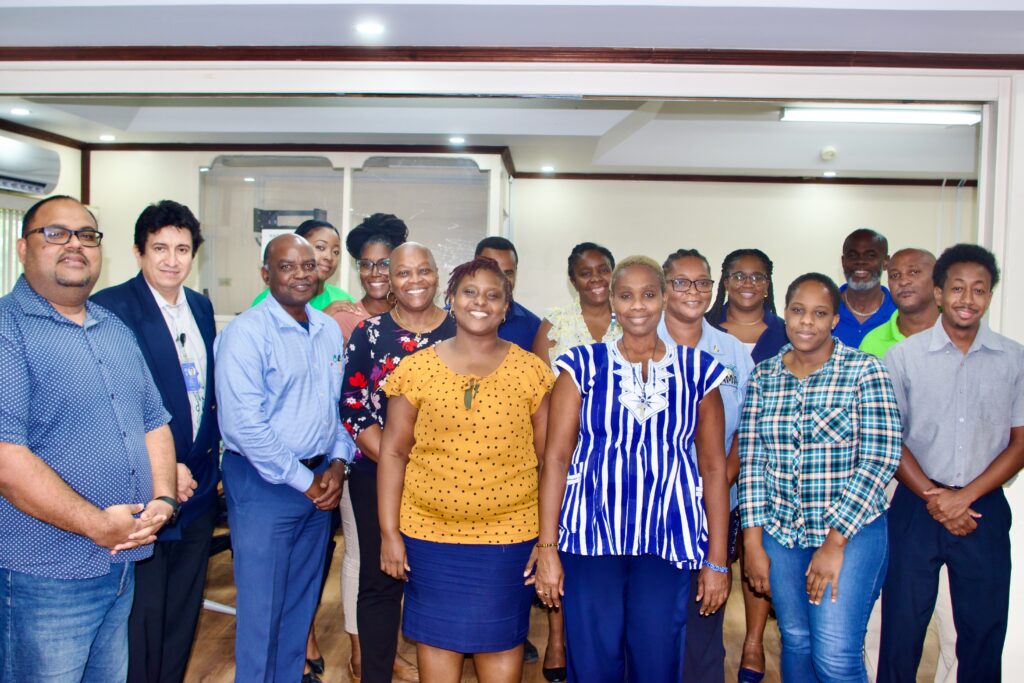
14 participants now have the tools to prioritize projects based on economic, environmental, and social criteria, improving project evaluation and resource allocation
November 18, 2024, Bridgetown, Barbados – A three-day training workshop focused on “Agricultural Project Appraisal Techniques and Applications” was another successful collaboration between the Food and Agriculture Organization of the United Nations (FAO) and The Ministry of Agriculture, Food, and Nutritional Security (MAFNS) in Barbados. The primary goal was to equip participants with essential tools and methodologies for conducting rigorous Cost-Benefit Analysis (CBA), financial analysis, and Environmental and Social Impact Assessments. These skills are critical for ensuring that agricultural and fisheries projects are aligned with national development priorities, climate resilience, and the United Nations’ Sustainable Development Goals (SDGs).
The workshop held from November 19-21, 2024, was led by Mr Juan Cheaz, FAO Representation for Barbados (a.i.) and facilitated by Mr Roberto Telleria, FAO Policy Officer, Dr Omardath Maharaj, Agribusiness Finance Consultant and Lead Trainer along with Mr Phil Lashley, local co-facilitator. The workshop aimed to strengthen the capacity of technical officers from the Ministry of Agriculture and related agencies to effectively evaluate, prioritize, and manage agriculture, fisheries, and rural development projects in Barbados.
As a Small Island Developing State (SIDS), Barbados faces unique challenges such as limited arable land, vulnerability to climate change, and high food import dependence. Therefore, the workshop addressed these issues by training stakeholders to prioritize sustainable projects, enhance resilience to climate variability, and promote inclusive development through sound project appraisal techniques.
With a comprehensive agenda and a blended approach to learning, the workshop featured theoretical approaches and hands-on exercises, including foundations of project appraisal, including techniques for financial analysis and practical applications and policy integration, focusing on risk analysis, sensitivity testing, and integrating appraisal findings into national development policies. The group exercises enabled participants to develop strategic project plans and align them with national goals.
During an in-depth session on applying CBA to agriculture and fisheries, a case study on fish silage and its financial analysis pathways highlighted the practical applications of appraisal techniques.
Mr Cheaz stated, “We are very happy to have been able to mobilize specialized technical resources to support the participating ministries in enhancing the skills and knowledge of their staff. The combination of theoretical elements coupled with practical exercises applied to real projects of interest to Barbados, provided added benefits and active engagement by the nine female and six male participants who attended the three-day workshop”.
Mr Telleria who also presented several segments of the workshop highlighted that, “The project evaluation training significantly enhanced their abilities to assess and improve agricultural for development projects. I trust that the practical tools and strategies they learned will lead to more effective decision-making and successful project outcomes”.
Dr Omardath Maharaj indicated that, “This engagement between the MAFNS and the FAO was particularly strategic and serves as a new reference point for capacity building and working relations among key partners in the food and agriculture sector. Better understanding project appraisal techniques and financial analysis including environmental and social considerations are particularly important for planning, policy, and project development”.
By applying appraisal principles, the workshop participants can direct investments toward initiatives with the highest potential for sustainable impact, while ensuring that agricultural and fisheries projects are resilient to environmental challenges. Equally important in the workshop was the focus on gender equality and addressing the needs of vulnerable populations.