/ Jun 18, 2026
Trending

News Elementor

RECENT NEWS

Statement on the passing of Dr. Shelly-Ann Cox, Barbados’ Chief Fisheries Officer By The Food And Agriculture Organization Of the United Nations (FAO) Sub-regional Office of the Caribbean

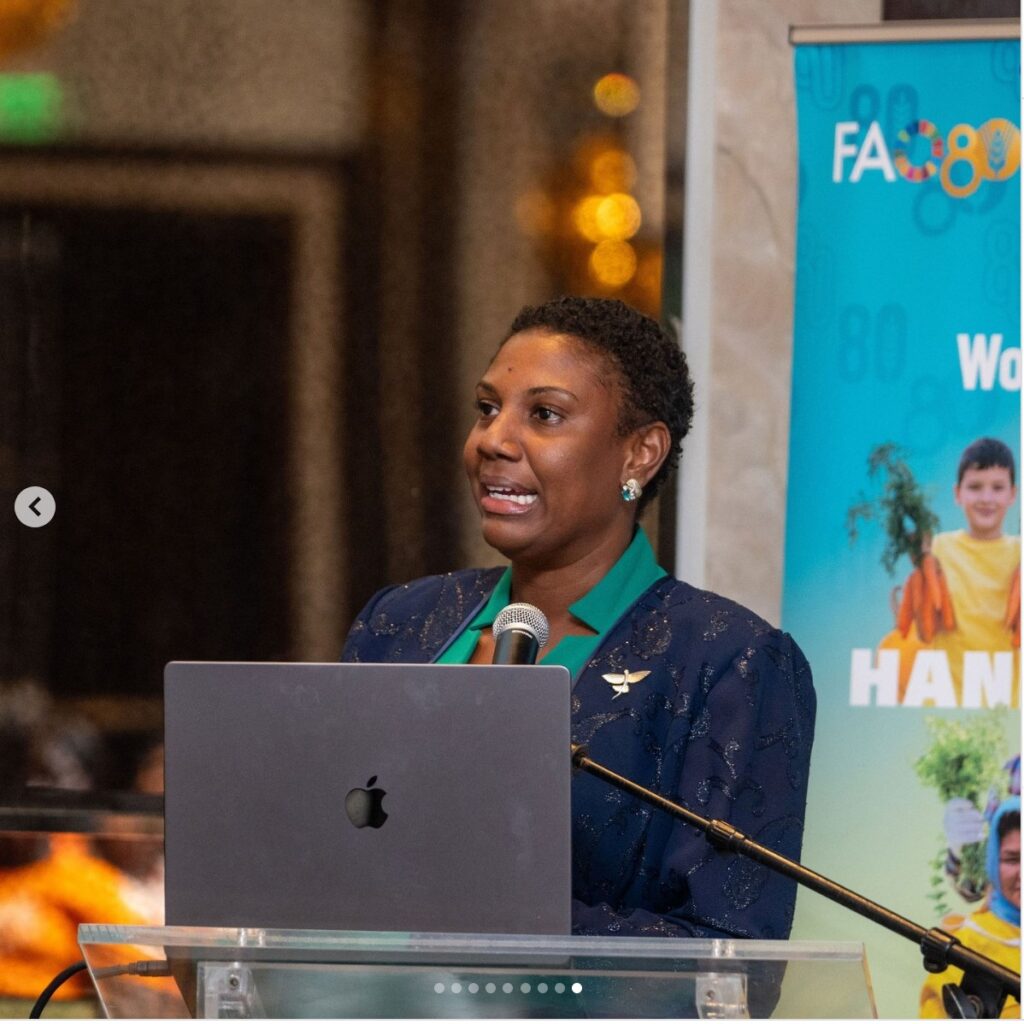
The team at Food and Agriculture Organization of the United Nations (FAO) in Barbados and the region are deeply saddened by the sudden passing of Dr. Shelly-Ann Cox, Barbados’ Chief Fisheries Officer.  

Since her appointment, we have worked closely with Dr. Cox as partners, as allies to enhance the fisheries sector in Barbados and the Caribbean.  She was an invaluable strategic partner in advancing fisheries and aquaculture towards sustainability under the Blue Transformation approach. In just three years as Chief Fisheries Officer, she made a significant impact through her technical expertise, collaborative leadership, and commitment to youth empowerment. Her vision, passion and dedication to the fishing community were unmatched.

Dr. Cox played a pivotal role in the final stages of the development and approval of Barbados’ 2023–2033 Fisheries Policy, an initiative supported by FAO. The policy advanced innovative approaches to the valorization of fish by-products, transforming what was traditionally considered “waste” into opportunities for value creation and sustainability. Her leadership in translating policy into action has since become a source of inspiration for other Caribbean countries seeking similar pathways for fisheries’ development.

During discussions with our FAO leadership in May 2026, Dr. Cox confidently shared her vision that Barbados could achieve zero fish waste by 2028. This aspiration reflected both her ambition and her belief in the progress already being made toward more sustainable and circular bioeconomy aquatic food systems.

Dr. Cox’s final engagements with FAO underscored her enduring commitment to regional fisheries advancement. These included the concluding stages of a publication on the development of anchored Fish Aggregating Devices (aFADs), an important fishing practice across the Caribbean, and the inception of a dolphinfish maturity study. Barbados was selected by the Western Central Atlantic Fishery Commission (WECAFC) to serve as the pilot country for this regional initiative, a testament to the confidence placed in Dr. Cox’s leadership and the country’s technical capacity.

Tributes continue to pour in from colleagues, partners, and service providers involved in FAO-supported initiatives who were fortunate to work alongside Dr. Cox. Beyond her many professional accomplishments, she will be remembered for her kindness, infectious enthusiasm, and steadfast commitment to serving others. Her collaborative spirit brought people together. Her leadership inspired confidence and action, and her genuine care left a lasting impression on all who crossed her path. Though her passing is deeply felt, the impact of her life’s work and the memories she created with so many will continue to resonate across Barbados, the Caribbean, and the institutions and communities she so passionately served.

Rest well, Dr. Cox. We will miss you.  

The team at Food and Agriculture Organization of the United Nations (FAO) in Barbados and the region are deeply saddened by the sudden passing of Dr. Shelly-Ann Cox, Barbados’ Chief Fisheries Officer.  

Since her appointment, we have worked closely with Dr. Cox as partners, as allies to enhance the fisheries sector in Barbados and the Caribbean.  She was an invaluable strategic partner in advancing fisheries and aquaculture towards sustainability under the Blue Transformation approach. In just three years as Chief Fisheries Officer, she made a significant impact through her technical expertise, collaborative leadership, and commitment to youth empowerment. Her vision, passion and dedication to the fishing community were unmatched.

Dr. Cox played a pivotal role in the final stages of the development and approval of Barbados’ 2023–2033 Fisheries Policy, an initiative supported by FAO. The policy advanced innovative approaches to the valorization of fish by-products, transforming what was traditionally considered “waste” into opportunities for value creation and sustainability. Her leadership in translating policy into action has since become a source of inspiration for other Caribbean countries seeking similar pathways for fisheries’ development.

During discussions with our FAO leadership in May 2026, Dr. Cox confidently shared her vision that Barbados could achieve zero fish waste by 2028. This aspiration reflected both her ambition and her belief in the progress already being made toward more sustainable and circular bioeconomy aquatic food systems.

Dr. Cox’s final engagements with FAO underscored her enduring commitment to regional fisheries advancement. These included the concluding stages of a publication on the development of anchored Fish Aggregating Devices (aFADs), an important fishing practice across the Caribbean, and the inception of a dolphinfish maturity study. Barbados was selected by the Western Central Atlantic Fishery Commission (WECAFC) to serve as the pilot country for this regional initiative, a testament to the confidence placed in Dr. Cox’s leadership and the country’s technical capacity.

Tributes continue to pour in from colleagues, partners, and service providers involved in FAO-supported initiatives who were fortunate to work alongside Dr. Cox. Beyond her many professional accomplishments, she will be remembered for her kindness, infectious enthusiasm, and steadfast commitment to serving others. Her collaborative spirit brought people together. Her leadership inspired confidence and action, and her genuine care left a lasting impression on all who crossed her path. Though her passing is deeply felt, the impact of her life’s work and the memories she created with so many will continue to resonate across Barbados, the Caribbean, and the institutions and communities she so passionately served.

Rest well, Dr. Cox. We will miss you.  

It is a long established fact that a reader will be distracted by the readable content of a page when looking at its layout. The point of using Lorem Ipsum is that it has a more-or-less normal distribution of letters, as opposed to using ‘Content here, content here’, making it look like readable English. Many desktop publishing packages and web page editors now use Lorem Ipsum as their default model text, and a search for ‘lorem ipsum’ will uncover many web sites still in their infancy.

It is a long established fact that a reader will be distracted by the readable content of a page when looking at its layout. The point of using Lorem Ipsum is that it has a more-or-less normal distribution of letters, as opposed to using ‘Content here, content here’, making it look like readable English. Many desktop publishing packages and web page editors now use Lorem Ipsum as their default model text, and a search for ‘lorem ipsum’ will uncover many web sites still in their infancy.

The point of using Lorem Ipsum is that it has a more-or-less normal distribution of letters, as opposed to using ‘Content here, content here’, making

The point of using Lorem Ipsum is that it has a more-or-less normal distribution of letters, as opposed to using ‘Content here, content here’, making it look like readable English. Many desktop publishing packages and web page editors now use Lorem Ipsum as their default model text, and a search for ‘lorem ipsum’ will uncover many web sites still in their infancy.

EmoNews Contributor

RECENT POSTS

CATEGORIES

Leave a Reply

Your email address will not be published. Required fields are marked *

SUBSCRIBE US

We’re excited to introduce Emonew, Dominica’s fresh new source for general country news. From community updates to national stories, we’re here to keep you informed, connected, and up to date.

Copyright Emonews 2025