/ Sep 01, 2026
Trending
Sweet pepper and lettuce farmers participate in hands on training in good agricultural practices and technologies to improve yields and ensure these value chains remain resilient in the face of climate risk.
Sweet pepper and lettuce farmers in St Kitts and Nevis are on the move to improve their levels of productivity following hands on training in good agricultural practices, hydroponics, protected structures and other technologies.
The Food and Agriculture Organization of the United Nations (FAO), in collaboration with the Ministry of Agriculture, Fisheries and Marine Resources, Cooperatives, Entrepreneurship and Creative Economy, launched a technical training on best practices for improved protected and open field cultivation of high value crops that took place in October in St Kitts and Nevis.
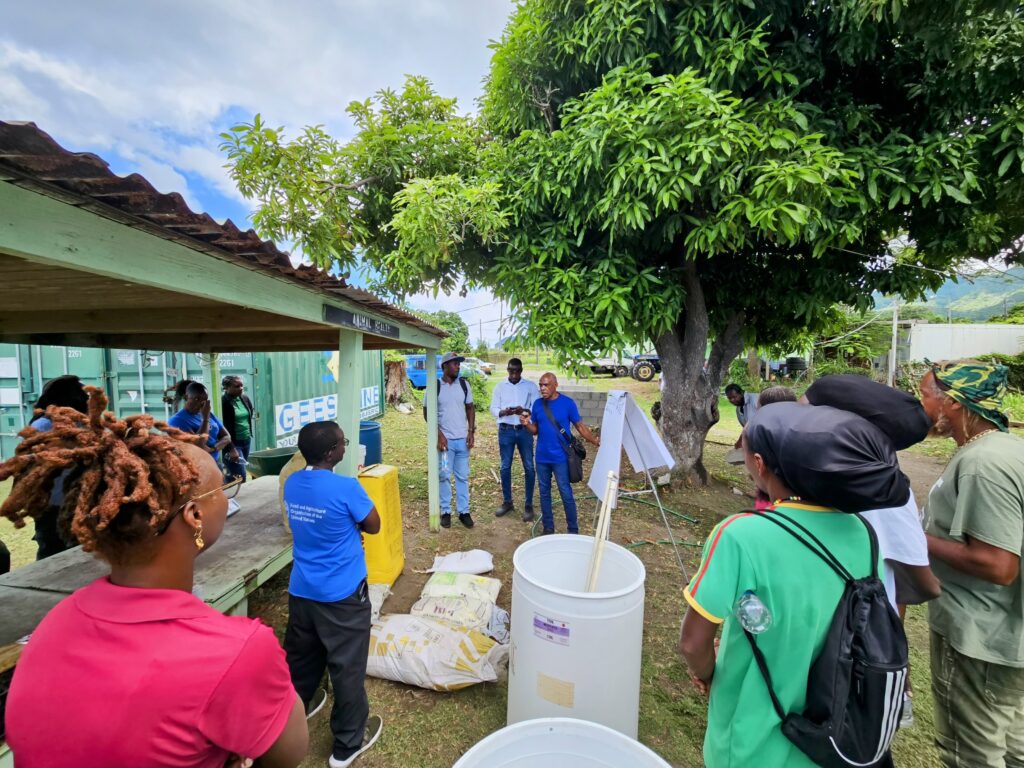
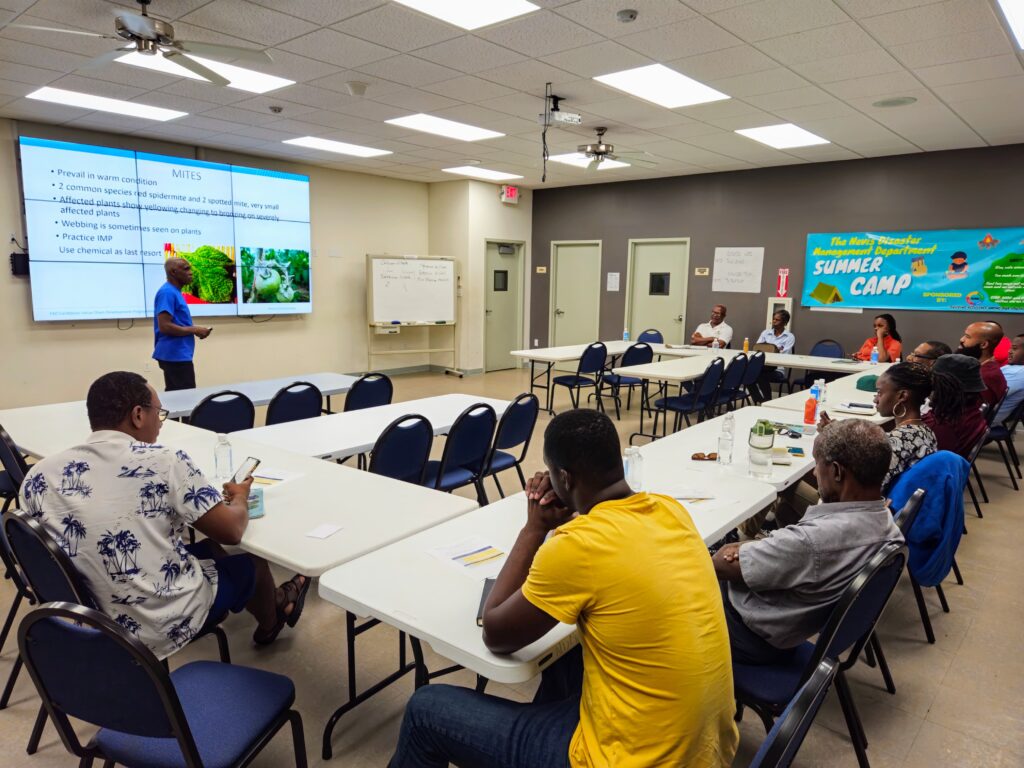
The training sought to build the capacity of farmers by introducing best practices for the growth of these two crops in soil and hydroponics. Farmers and technicians from the Departments of Agriculture were trained by FAO using combined elements of theory and practical demonstrations. Topics covered included seedling production, creating optimal conditions for growth, crop nutrition, pest and disease management and harvest and post-harvest management.
Mr Juan Cheaz Pelaez, FAO Trade and Markets Officer for the Caribbean and Lead Technical Officer for the project, spoke about the risk to our food supply in the region and emphasized the need for proactivity among all value chain actors to take collective action. He noted that “in more recent years, our agrifood system is under greater pressure from climate change risk, volatile markets and rising cost of inputs, effectively making production more difficult in this part of the world. These conditions warrant us improving the way we produce food to safeguard our national supplies, making nutritious food accessible and affordable for all”. He also linked the situation to policy milestones, like the Sustainable Development Goals and the Initiative to reduce the region’s food import bill by 25 percent by 2025. He remarked that “we are in a unique position where every threat represents an opportunity to achieving targets like those under the 25 by 2025 initiative and these call for strengthened support by actors from the public and private sectors to sustain competitive agrifood industries”.
The training is among the first of other production trainings and coincides with strategic plans to improve production efficiency of our farmers for sustained commercial-level supply of superior local products. These activities of FAO’s Caribbean value chain development programme are being coordinated by Mr Jefferson Jaikissoon, FAO Agricultural Value Chain Development Specialist, and FAO Plant Protection Officer, Mr Melvin Medina. The FAO Team is also preparing a training package for use by the farmers and technicians and more hands-on trainings that will be delivered in the coming months to ensure that the knowledge, together with technologies such as protected structures, become mainstream among all farmers.
Sweet pepper and lettuce farmers participate in hands on training in good agricultural practices and technologies to improve yields and ensure these value chains remain resilient in the face of climate risk.
Sweet pepper and lettuce farmers in St Kitts and Nevis are on the move to improve their levels of productivity following hands on training in good agricultural practices, hydroponics, protected structures and other technologies.
The Food and Agriculture Organization of the United Nations (FAO), in collaboration with the Ministry of Agriculture, Fisheries and Marine Resources, Cooperatives, Entrepreneurship and Creative Economy, launched a technical training on best practices for improved protected and open field cultivation of high value crops that took place in October in St Kitts and Nevis.
The training sought to build the capacity of farmers by introducing best practices for the growth of these two crops in soil and hydroponics. Farmers and technicians from the Departments of Agriculture were trained by FAO using combined elements of theory and practical demonstrations. Topics covered included seedling production, creating optimal conditions for growth, crop nutrition, pest and disease management and harvest and post-harvest management.
Mr Juan Cheaz Pelaez, FAO Trade and Markets Officer for the Caribbean and Lead Technical Officer for the project, spoke about the risk to our food supply in the region and emphasized the need for proactivity among all value chain actors to take collective action. He noted that “in more recent years, our agrifood system is under greater pressure from climate change risk, volatile markets and rising cost of inputs, effectively making production more difficult in this part of the world. These conditions warrant us improving the way we produce food to safeguard our national supplies, making nutritious food accessible and affordable for all”. He also linked the situation to policy milestones, like the Sustainable Development Goals and the Initiative to reduce the region’s food import bill by 25 percent by 2025. He remarked that “we are in a unique position where every threat represents an opportunity to achieving targets like those under the 25 by 2025 initiative and these call for strengthened support by actors from the public and private sectors to sustain competitive agrifood industries”.
The training is among the first of other production trainings and coincides with strategic plans to improve production efficiency of our farmers for sustained commercial-level supply of superior local products. These activities of FAO’s Caribbean value chain development programme are being coordinated by Mr Jefferson Jaikissoon, FAO Agricultural Value Chain Development Specialist, and FAO Plant Protection Officer, Mr Melvin Medina. The FAO Team is also preparing a training package for use by the farmers and technicians and more hands-on trainings that will be delivered in the coming months to ensure that the knowledge, together with technologies such as protected structures, become mainstream among all farmers.