/ Mar 16, 2026
Trending
FAO and partners convened Caribbean fisheries experts and fisherfolk representatives to advance science-based, inclusive solutions for protecting and sustainably managing the Caribbean spiny lobster fishery.
26 February 2026; Bridgetown – Across the Caribbean, thousands of fishers rely on the spiny lobster for income and food security. However, the fishery is increasingly under threat from overfishing, illegal, unreported and Unregulated fishing, weak data systems, and the impacts of climate change, putting both livelihoods and long-term sustainability of the resource at risk.
In response, the Western Central Atlantic Fishery Commission (WECAFC) of the the Food and Agriculture Organization of the United Nations, brought together 57 experts from 15 lobster-producing countries for the first-ever joint regional meeting dedicated specifically to improving the management of the Caribbean spiny lobster (CSL).
Early this month, a hybrid workshop was held bringing together participants from 17 countries – Barbados, Brazil, Colombia, Cuba, the Dominican Republic, France, Honduras, Jamaica, Mexico, Panama, St. Kitts and Nevis, St. Lucia, St. Vincent and the Grenadines, Suriname, Trinidad and Tobago, the United States of America, and Venezuela.
The discussion explored practical solutions to improve lobster stock monitoring, address illegal fishing, and strengthen regional cooperation supporting management decisions grounded in science and the realities faced by fishers on the ground.
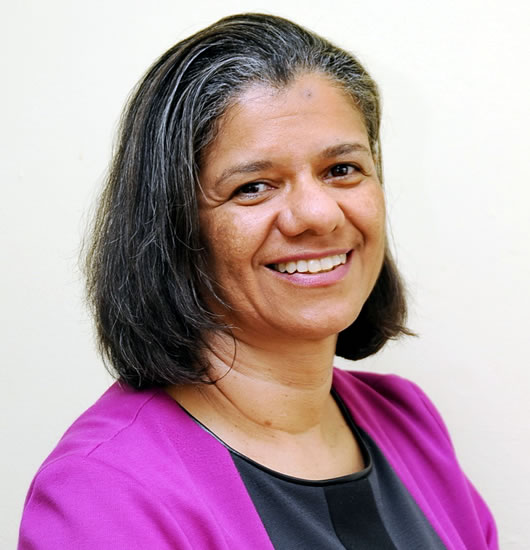
In her opening remarks, WECAFC Chair Ms. Isabel Cristina Reyes Robbles, underscored the socio-economic importance of the fishery and emphasized that its sustainability depends on a collaborative management approach among all countries in the region. She also thanked the European Commission for its sustained support in strengthening scientific evidence to inform fisheries management.
Participants of three working groups, alongside regional partners – Caribbean Network of Fisherfolk Organizations (CNFO), the Gulf and Caribbean Fisheries Institute (GCFI), the CARICOM Implementation Agency for Crime and Security (IMPACS), the Caribbean Regional Fisheries Mechanism (CRFM), and the Regional Security System (RSS), reviewed key findings and draft recommendations aimed at improving lobster management in the region.
Speaking on behalf of fishers across the region, Chair of CNFO, Devon Stephen emphasized the need for inclusive, context-specific approaches to fisheries management.
“For our fisherfolk, the Caribbean spiny lobster pays school fees and puts food on the table. Strengthening data systems, setting size limits, and closing seasons are important to protect the resource, but fishers must be at the table and genuinely listened to during consultations and implementation, because one-size-fits-all management does not work and is unethical. Caribbean fishers cannot support standardised measures for spiny lobster management, as some countries have great resources, with no concerns in terms of sustainability, and these countries fishers’ livelihoods should not be irresponsibly negatively impacted due to concerns in other states.”
The discussions covered updated information on the status of the Caribbean Spiny Lobster, a regional review of current management measures in the CSL management (MARPLESCA plan), proposed conservation actions, improved methods to assess illegal, unreported and unregulated (IUU) fishing, and opportunities to strengthen data collection systems. The recommendations will be reviewed by the Scientific Advisory Group and submitted for endorsement at the next Commission session.
According to CRFM representative Peter A. Murray, the outcomes of the meeting will strengthen regional cooperation and provide practical tools to improve the long-term sustainability of the lobster fishery, while also serving as a model for other important fisheries in the Caribbean.
Participants also discussed updating a proposal under the 9th replenishment of the Global Environment Facility (GEF) to further support science-based decision-making, research, and capacity-building in the Caribbean Large Marine Ecosystems (CLME+) region. This initiative, driven by CARICOM countries, aims to scale up the progress made through the current project.
WECAFC Secretary Ms. Yvette Diei Ouadi reaffirmed her commitment to advancing the initiative, noting that the collaboration among countries could pave the way for more sustainable and profitable fisheries across the region.
FAO and partners convened Caribbean fisheries experts and fisherfolk representatives to advance science-based, inclusive solutions for protecting and sustainably managing the Caribbean spiny lobster fishery.
26 February 2026; Bridgetown – Across the Caribbean, thousands of fishers rely on the spiny lobster for income and food security. However, the fishery is increasingly under threat from overfishing, illegal, unreported and Unregulated fishing, weak data systems, and the impacts of climate change, putting both livelihoods and long-term sustainability of the resource at risk.
In response, the Western Central Atlantic Fishery Commission (WECAFC) of the the Food and Agriculture Organization of the United Nations, brought together 57 experts from 15 lobster-producing countries for the first-ever joint regional meeting dedicated specifically to improving the management of the Caribbean spiny lobster (CSL).
Early this month, a hybrid workshop was held bringing together participants from 17 countries – Barbados, Brazil, Colombia, Cuba, the Dominican Republic, France, Honduras, Jamaica, Mexico, Panama, St. Kitts and Nevis, St. Lucia, St. Vincent and the Grenadines, Suriname, Trinidad and Tobago, the United States of America, and Venezuela.
The discussion explored practical solutions to improve lobster stock monitoring, address illegal fishing, and strengthen regional cooperation supporting management decisions grounded in science and the realities faced by fishers on the ground.
In her opening remarks, WECAFC Chair Ms. Isabel Cristina Reyes Robbles, underscored the socio-economic importance of the fishery and emphasized that its sustainability depends on a collaborative management approach among all countries in the region. She also thanked the European Commission for its sustained support in strengthening scientific evidence to inform fisheries management.
Participants of three working groups, alongside regional partners – Caribbean Network of Fisherfolk Organizations (CNFO), the Gulf and Caribbean Fisheries Institute (GCFI), the CARICOM Implementation Agency for Crime and Security (IMPACS), the Caribbean Regional Fisheries Mechanism (CRFM), and the Regional Security System (RSS), reviewed key findings and draft recommendations aimed at improving lobster management in the region.
Speaking on behalf of fishers across the region, Chair of CNFO, Devon Stephen emphasized the need for inclusive, context-specific approaches to fisheries management.
“For our fisherfolk, the Caribbean spiny lobster pays school fees and puts food on the table. Strengthening data systems, setting size limits, and closing seasons are important to protect the resource, but fishers must be at the table and genuinely listened to during consultations and implementation, because one-size-fits-all management does not work and is unethical. Caribbean fishers cannot support standardised measures for spiny lobster management, as some countries have great resources, with no concerns in terms of sustainability, and these countries fishers’ livelihoods should not be irresponsibly negatively impacted due to concerns in other states.”
The discussions covered updated information on the status of the Caribbean Spiny Lobster, a regional review of current management measures in the CSL management (MARPLESCA plan), proposed conservation actions, improved methods to assess illegal, unreported and unregulated (IUU) fishing, and opportunities to strengthen data collection systems. The recommendations will be reviewed by the Scientific Advisory Group and submitted for endorsement at the next Commission session.
According to CRFM representative Peter A. Murray, the outcomes of the meeting will strengthen regional cooperation and provide practical tools to improve the long-term sustainability of the lobster fishery, while also serving as a model for other important fisheries in the Caribbean.
Participants also discussed updating a proposal under the 9th replenishment of the Global Environment Facility (GEF) to further support science-based decision-making, research, and capacity-building in the Caribbean Large Marine Ecosystems (CLME+) region. This initiative, driven by CARICOM countries, aims to scale up the progress made through the current project.
WECAFC Secretary Ms. Yvette Diei Ouadi reaffirmed her commitment to advancing the initiative, noting that the collaboration among countries could pave the way for more sustainable and profitable fisheries across the region.

It is a long established fact that a reader will be distracted by the readable content of a page when looking at its layout. The point of using Lorem Ipsum is that it has a more-or-less normal distribution of letters, as opposed to using ‘Content here, content here’, making it look like readable English. Many desktop publishing packages and web page editors now use Lorem Ipsum as their default model text, and a search for ‘lorem ipsum’ will uncover many web sites still in their infancy.
The point of using Lorem Ipsum is that it has a more-or-less normal distribution of letters, as opposed to using ‘Content here, content here’, making
The point of using Lorem Ipsum is that it has a more-or-less normal distribution of letters, as opposed to using ‘Content here, content here’, making it look like readable English. Many desktop publishing packages and web page editors now use Lorem Ipsum as their default model text, and a search for ‘lorem ipsum’ will uncover many web sites still in their infancy.
We’re excited to introduce Emonew, Dominica’s fresh new source for general country news. From community updates to national stories, we’re here to keep you informed, connected, and up to date.
Copyright Emonews 2025