/ May 28, 2026
Trending

News Elementor

RECENT NEWS

Caribbean countries in debt stranglehold

SIX CARIBBEAN SMALL Island Developing States (SIDS) are among the top ten SIDS in the world with public debt greater than their gross domestic product or GDP.

Based on 2020 data Barbados is the highest ranked at 157% followed by Suriname, Belize, Dominica, Jamaica and Antigua & Barbuda.

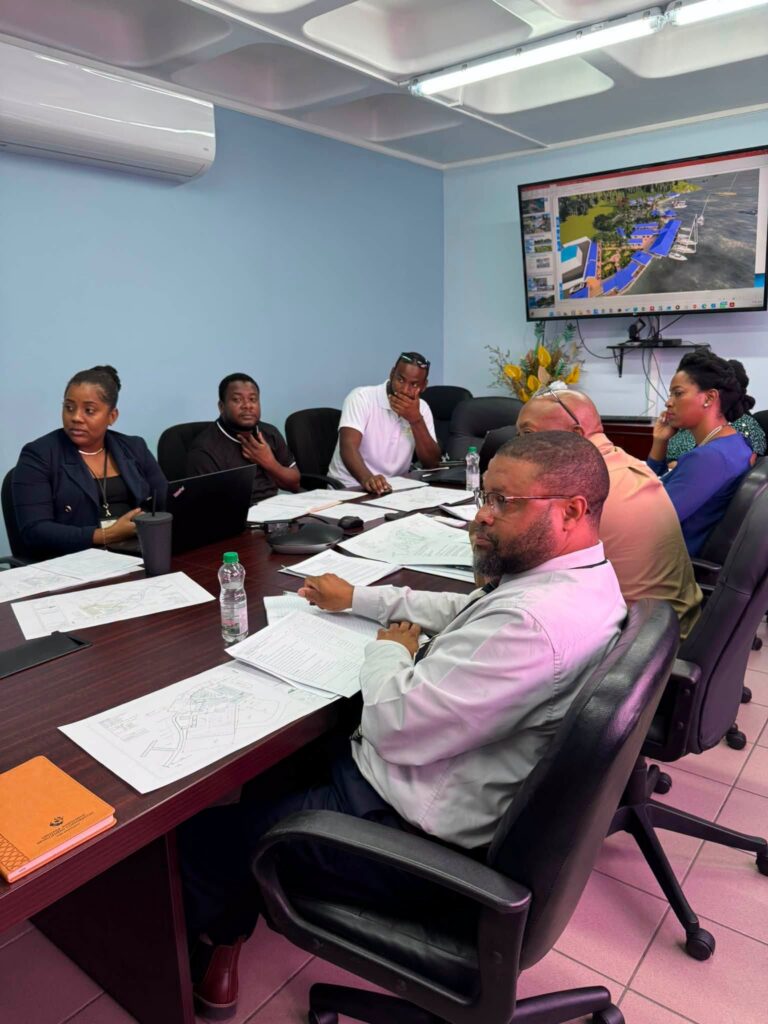
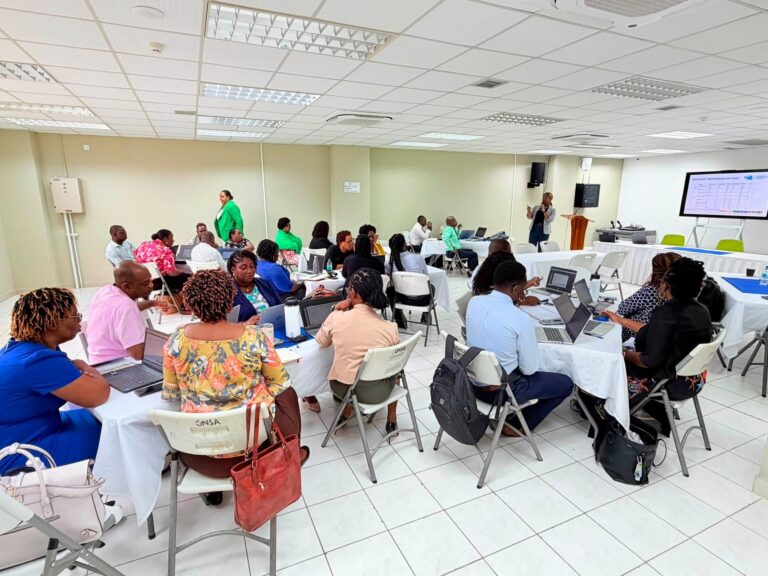
Policy Advisor to the CPDC, Jwala Rambarran told delegates at the Caribbean Debt and Climate Consultations at UN House in Barbados on Tuesday, November 02 that most of this debt is owned by private creditors; with China being the largest creditor.

Mr. Rambarran said that many Caribbean SIDS do not qualify for low cost concessional financing from international lenders because of their middle income status. He stressed that creditors do not take the effects of external shocks into consideration, some going as far back as 1996 with the phasing out of preferential trade agreements for sugar and bananas, the global financial crisis and the fuel hike in 2008, more recently the COVID-19 pandemic in 2020 and Russia’s invasion of Ukraine in 2022.

Caribbean SIDS also face the constant threat of frequent and ferocious natural disasters, exacerbated by climate change. He noted that between 1950 and 2021, the region faced 423 named storms, 216 hurricanes and 100 major hurricanes.  It has been estimated that the region has suffered about US$30 billion in damages over the last 70 years.

Mr. Rambarran estimated that the total Caribbean debt amounts to almost US$65 Billion, of which more than half is domestic debt. This is debt held by local banks, insurance companies and monies used for education, health and local social programmes which may not be sustainable.

The CPDC’s answer to the challenge facing indebted countries is CARIBBEAN EMANCIPATION 2030, which has several global initiatives as its foundation. The policy advisor noted, “It looked at what were the types of debt restructuring and debt cancellation agreements that the international communities had proposed, had used and some of which are still in use.”

The aim is to come up with a debt solution that is tailored to the Caribbean. The three main objectives are – to allow the region to negotiate substantial reductions in their overall Secondly, to institute New Green Resilience Bonds which it is hoped would usher in a new wave of capital flows to Caribbean SIDS and thirdly encourage many Caribbean countries to adopt and pursue ambitious, economic reform programs linking debt relief to climate resilience.

Officer in Charge of the CPDC, Richard Jones said that it is critical that the voices of those most impacted by sovereign debt are heard. He stressed that some of the most affected groups go unnoticed and noted that as interlocutors between policymakers and the most vulnerable, civil society is uniquely placed to articulate grassroots needs.

“Civil society brings the human touch to policy making where others have faltered. Given the external shocks rocking Caribbean SIDS, solutions are desperately needed to improve the quality of life and livelihoods of those most affected. When we talk about sustainable development, priority must be given to marginalized social sectors. The erasure of poverty is paramount. That is the root of sustainability,” he said.

Mr. Rambarran concluded, “We wanted a message that carried the word emancipation. We wanted a message that would sit deeply with policy makers and the wider society. It also carried this powerful symbolism – you break the chains of slavery and break the bondage of debt,” he said.


SIX CARIBBEAN SMALL Island Developing States (SIDS) are among the top ten SIDS in the world with public debt greater than their gross domestic product or GDP.

Based on 2020 data Barbados is the highest ranked at 157% followed by Suriname, Belize, Dominica, Jamaica and Antigua & Barbuda.

Policy Advisor to the CPDC, Jwala Rambarran told delegates at the Caribbean Debt and Climate Consultations at UN House in Barbados on Tuesday, November 02 that most of this debt is owned by private creditors; with China being the largest creditor.

Mr. Rambarran said that many Caribbean SIDS do not qualify for low cost concessional financing from international lenders because of their middle income status. He stressed that creditors do not take the effects of external shocks into consideration, some going as far back as 1996 with the phasing out of preferential trade agreements for sugar and bananas, the global financial crisis and the fuel hike in 2008, more recently the COVID-19 pandemic in 2020 and Russia’s invasion of Ukraine in 2022.

Caribbean SIDS also face the constant threat of frequent and ferocious natural disasters, exacerbated by climate change. He noted that between 1950 and 2021, the region faced 423 named storms, 216 hurricanes and 100 major hurricanes.  It has been estimated that the region has suffered about US$30 billion in damages over the last 70 years.

Mr. Rambarran estimated that the total Caribbean debt amounts to almost US$65 Billion, of which more than half is domestic debt. This is debt held by local banks, insurance companies and monies used for education, health and local social programmes which may not be sustainable.

The CPDC’s answer to the challenge facing indebted countries is CARIBBEAN EMANCIPATION 2030, which has several global initiatives as its foundation. The policy advisor noted, “It looked at what were the types of debt restructuring and debt cancellation agreements that the international communities had proposed, had used and some of which are still in use.”

The aim is to come up with a debt solution that is tailored to the Caribbean. The three main objectives are – to allow the region to negotiate substantial reductions in their overall Secondly, to institute New Green Resilience Bonds which it is hoped would usher in a new wave of capital flows to Caribbean SIDS and thirdly encourage many Caribbean countries to adopt and pursue ambitious, economic reform programs linking debt relief to climate resilience.

Officer in Charge of the CPDC, Richard Jones said that it is critical that the voices of those most impacted by sovereign debt are heard. He stressed that some of the most affected groups go unnoticed and noted that as interlocutors between policymakers and the most vulnerable, civil society is uniquely placed to articulate grassroots needs.

“Civil society brings the human touch to policy making where others have faltered. Given the external shocks rocking Caribbean SIDS, solutions are desperately needed to improve the quality of life and livelihoods of those most affected. When we talk about sustainable development, priority must be given to marginalized social sectors. The erasure of poverty is paramount. That is the root of sustainability,” he said.

Mr. Rambarran concluded, “We wanted a message that carried the word emancipation. We wanted a message that would sit deeply with policy makers and the wider society. It also carried this powerful symbolism – you break the chains of slavery and break the bondage of debt,” he said.
It is a long established fact that a reader will be distracted by the readable content of a page when looking at its layout. The point of using Lorem Ipsum is that it has a more-or-less normal distribution of letters, as opposed to using ‘Content here, content here’, making it look like readable English. Many desktop publishing packages and web page editors now use Lorem Ipsum as their default model text, and a search for ‘lorem ipsum’ will uncover many web sites still in their infancy.

It is a long established fact that a reader will be distracted by the readable content of a page when looking at its layout. The point of using Lorem Ipsum is that it has a more-or-less normal distribution of letters, as opposed to using ‘Content here, content here’, making it look like readable English. Many desktop publishing packages and web page editors now use Lorem Ipsum as their default model text, and a search for ‘lorem ipsum’ will uncover many web sites still in their infancy.

The point of using Lorem Ipsum is that it has a more-or-less normal distribution of letters, as opposed to using ‘Content here, content here’, making

The point of using Lorem Ipsum is that it has a more-or-less normal distribution of letters, as opposed to using ‘Content here, content here’, making it look like readable English. Many desktop publishing packages and web page editors now use Lorem Ipsum as their default model text, and a search for ‘lorem ipsum’ will uncover many web sites still in their infancy.

External Source

RECENT POSTS

CATEGORIES

Leave a Reply

Your email address will not be published. Required fields are marked *

SUBSCRIBE US

We’re excited to introduce Emonew, Dominica’s fresh new source for general country news. From community updates to national stories, we’re here to keep you informed, connected, and up to date.

Copyright Emonews 2025