/ Jun 10, 2026
Trending

News Elementor

RECENT NEWS

FAO and Ministry of Agriculture in Saint Vincent and the Grenadines team up to champion Youth and Women’s Voices in Agriculture

Empowering Youth and Women in Agriculture through inclusive participation and capacity building

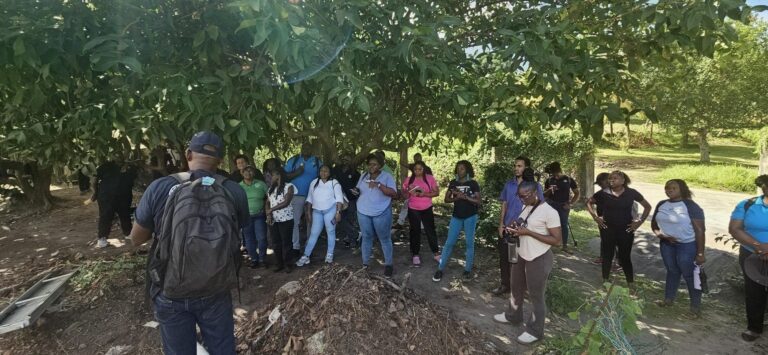
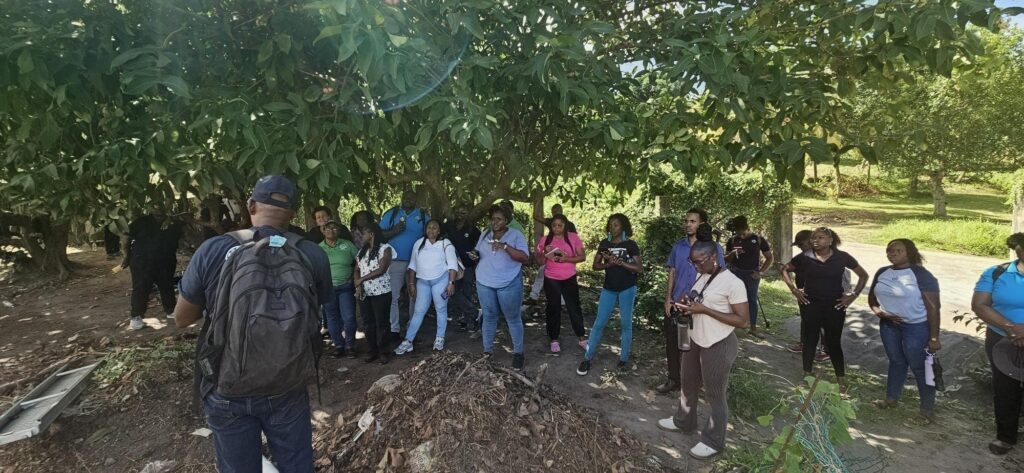
 A group of young women and men took center stage on Friday, 5 June 2026, as the Food and Agriculture Organization of the United Nations (FAO), in collaboration with the Ministry of Agriculture, Forestry and Rural Transformation, held a Youth and Gender Inclusion Working Session at the Ministry of Agriculture Office in Kingstown, Saint Vincent and the Grenadines. The initiative forms part of FAO’s ongoing efforts to advance youth and gender-responsive approaches that create greater opportunities for young women and men to participate, lead and thrive across agrifood value chains. Participants shared first-hand accounts of the challenges they face in accessing resources and opportunities, while the discussions were guided to extensively deliberate solutions and highlighting opportunities that are within reach.

The session brought together twenty-three stakeholders from across the agrifood sector, with a strong focus on young women and men engaged in farming, agribusiness and agricultural trade. Representatives from the Gender Affairs Division, civil society organizations and technical officers from the Ministry also participated in the discussions. 

FAO Caribbean Gender Focal Point and Value Chain Technical Lead, Mr. Juan Cheaz, emphasized the critical role of youth and women in transforming agriculture, stating, “Young people are key drivers of innovation, and transformation in agrifood systems. However, young women and men often face additional barriers to training, employment, and leadership opportunities. By placing youth and gender as important subjects in our discussions, we can create more inclusive pathways for decent work, and a stronger future for agriculture in Saint Vincent and the Grenadines”, he said.

The importance of empowering the next generation of agricultural leaders was also underscored by Permanent Secretary, Mr. Colville King, who noted that only approximately 10 percent of registered farmers in Saint Vincent and the Grenadines are youth.  “The future of agriculture depends on attracting young people and ensuring that they have a voice in shaping its development. We need the next generation of farmers, innovators, processors, marketers and entrepreneurs if agriculture is to remain sustainable and safeguard national food security”, he stated.

Throughout the session, young women and men highlighted the barriers that continue to limit their participation and success in agriculture, including restricted access to financing, land, markets, transportation, training opportunities and decision-making spaces.

Among the voices shared was that of young farmer Ms. Dianza Selby, who spoke candidly about the challenges of securing reliable markets for agricultural produce. “One time I lost over 600 pounds of cucumbers because I could not find a market for them. I supplied supermarkets, schools, charities and community members, but I still experienced significant losses, which was discouraging,” she said.

Her experience resonated with other young participants, who shared innovative ways they had adapted to similar challenges through value-added production, including making pickles, hot sauces and other processed products, as well as utilizing public storage facilities to reduce post-harvest losses. These discussions highlighted the growing potential for youth-led entrepreneurship, agro-processing, branding and value addition within the sector. Participants also discussed transportation and export challenges that disproportionately affect younger farmers and traders, who often have fewer resources and lower adaptive capacity than more established stakeholders. 

Mr. Glenroy Thomas, a young agricultural trader, highlighted the importance of consistency in meeting regional market demand and stressed the value of including young people in decision-making processes. “If decisions are made about young people, then young people should be part of those conversations from the beginning,” he said.

A recurring theme throughout the session was the need to strengthen support systems for young people and women entering and growing within the agricultural sector. Participants called for increased mentorship opportunities, technical assistance, improved access to resources and greater involvement in policy discussions that shape the future of agriculture.

FAO and the Ministry of Agriculture reaffirmed their commitment to ensuring that the perspectives and experiences of young women and men inform the design and implementation of programmes and initiatives. 
Empowering Youth and Women in Agriculture through inclusive participation and capacity building

 A group of young women and men took center stage on Friday, 5 June 2026, as the Food and Agriculture Organization of the United Nations (FAO), in collaboration with the Ministry of Agriculture, Forestry and Rural Transformation, held a Youth and Gender Inclusion Working Session at the Ministry of Agriculture Office in Kingstown, Saint Vincent and the Grenadines. The initiative forms part of FAO’s ongoing efforts to advance youth and gender-responsive approaches that create greater opportunities for young women and men to participate, lead and thrive across agrifood value chains. Participants shared first-hand accounts of the challenges they face in accessing resources and opportunities, while the discussions were guided to extensively deliberate solutions and highlighting opportunities that are within reach.

The session brought together twenty-three stakeholders from across the agrifood sector, with a strong focus on young women and men engaged in farming, agribusiness and agricultural trade. Representatives from the Gender Affairs Division, civil society organizations and technical officers from the Ministry also participated in the discussions. 

FAO Caribbean Gender Focal Point and Value Chain Technical Lead, Mr. Juan Cheaz, emphasized the critical role of youth and women in transforming agriculture, stating, “Young people are key drivers of innovation, and transformation in agrifood systems. However, young women and men often face additional barriers to training, employment, and leadership opportunities. By placing youth and gender as important subjects in our discussions, we can create more inclusive pathways for decent work, and a stronger future for agriculture in Saint Vincent and the Grenadines”, he said.

The importance of empowering the next generation of agricultural leaders was also underscored by Permanent Secretary, Mr. Colville King, who noted that only approximately 10 percent of registered farmers in Saint Vincent and the Grenadines are youth.  “The future of agriculture depends on attracting young people and ensuring that they have a voice in shaping its development. We need the next generation of farmers, innovators, processors, marketers and entrepreneurs if agriculture is to remain sustainable and safeguard national food security”, he stated.

Throughout the session, young women and men highlighted the barriers that continue to limit their participation and success in agriculture, including restricted access to financing, land, markets, transportation, training opportunities and decision-making spaces.

Among the voices shared was that of young farmer Ms. Dianza Selby, who spoke candidly about the challenges of securing reliable markets for agricultural produce. “One time I lost over 600 pounds of cucumbers because I could not find a market for them. I supplied supermarkets, schools, charities and community members, but I still experienced significant losses, which was discouraging,” she said.

Her experience resonated with other young participants, who shared innovative ways they had adapted to similar challenges through value-added production, including making pickles, hot sauces and other processed products, as well as utilizing public storage facilities to reduce post-harvest losses. These discussions highlighted the growing potential for youth-led entrepreneurship, agro-processing, branding and value addition within the sector. Participants also discussed transportation and export challenges that disproportionately affect younger farmers and traders, who often have fewer resources and lower adaptive capacity than more established stakeholders. 

Mr. Glenroy Thomas, a young agricultural trader, highlighted the importance of consistency in meeting regional market demand and stressed the value of including young people in decision-making processes. “If decisions are made about young people, then young people should be part of those conversations from the beginning,” he said.

A recurring theme throughout the session was the need to strengthen support systems for young people and women entering and growing within the agricultural sector. Participants called for increased mentorship opportunities, technical assistance, improved access to resources and greater involvement in policy discussions that shape the future of agriculture.

FAO and the Ministry of Agriculture reaffirmed their commitment to ensuring that the perspectives and experiences of young women and men inform the design and implementation of programmes and initiatives. 

It is a long established fact that a reader will be distracted by the readable content of a page when looking at its layout. The point of using Lorem Ipsum is that it has a more-or-less normal distribution of letters, as opposed to using ‘Content here, content here’, making it look like readable English. Many desktop publishing packages and web page editors now use Lorem Ipsum as their default model text, and a search for ‘lorem ipsum’ will uncover many web sites still in their infancy.

It is a long established fact that a reader will be distracted by the readable content of a page when looking at its layout. The point of using Lorem Ipsum is that it has a more-or-less normal distribution of letters, as opposed to using ‘Content here, content here’, making it look like readable English. Many desktop publishing packages and web page editors now use Lorem Ipsum as their default model text, and a search for ‘lorem ipsum’ will uncover many web sites still in their infancy.

The point of using Lorem Ipsum is that it has a more-or-less normal distribution of letters, as opposed to using ‘Content here, content here’, making

The point of using Lorem Ipsum is that it has a more-or-less normal distribution of letters, as opposed to using ‘Content here, content here’, making it look like readable English. Many desktop publishing packages and web page editors now use Lorem Ipsum as their default model text, and a search for ‘lorem ipsum’ will uncover many web sites still in their infancy.

EmoNews Contributor

RECENT POSTS

CATEGORIES

Leave a Reply

Your email address will not be published. Required fields are marked *

SUBSCRIBE US

We’re excited to introduce Emonew, Dominica’s fresh new source for general country news. From community updates to national stories, we’re here to keep you informed, connected, and up to date.

Copyright Emonews 2025