/ Jun 10, 2026
Trending

News Elementor

RECENT NEWS

Health tax levels in the Americas remain too low to curb harmful consumption of alcohol and sugary drinks

Levels of health taxes on alcohol and sugar‑sweetened beverages in the Americas remain too low to significantly reduce consumption and prevent noncommunicable diseases (NCDs), even as the Region records some of the highest consumption levels in the world, according to two reports released by the Pan American Health Organization (PAHO).

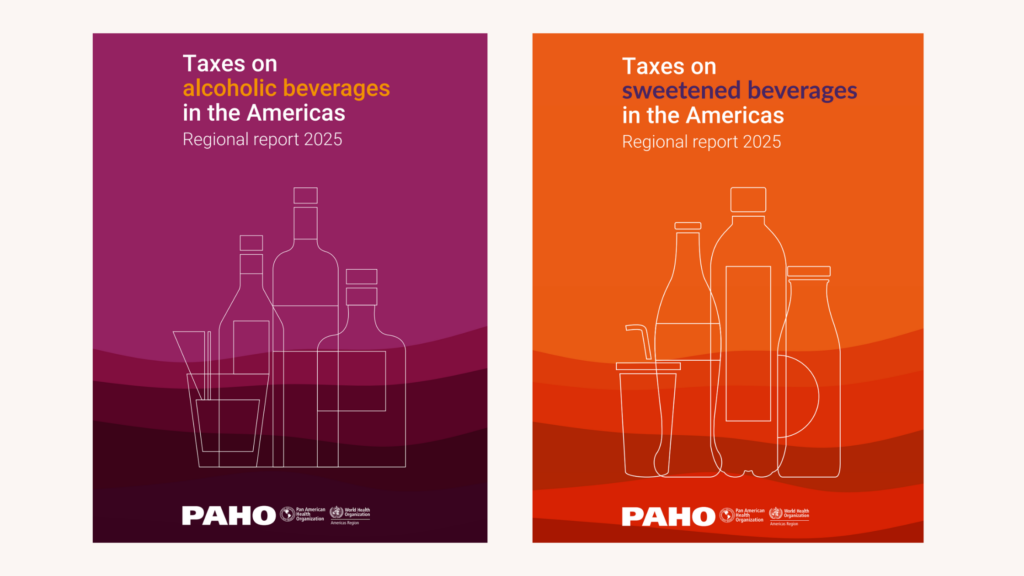
The reports, Taxes on alcoholic beverages in the Americas and Taxes on sweetened beverages in the Americas, show that tax levels across the Americas remain below global averages, limiting the effectiveness of one of the most cost-effective public health interventions available.

For beer, the median total tax burden in the Region stands at 25.5%, compared to a global median of 29.4%, while taxes on spirits average 31.5%, below the global median of 38.7%. In the case of sugar-sweetened beverages, the median tax burden in the Americas represents just 17.1% of the final retail price, slightly below the global median of 17.8%, and one-third of countries in the Americas still do not apply any tax on these products.

PAHO’s reports highlight that the Americas, particularly Latin America and the Caribbean, face some of the highest consumption levels globally for both sugary drinks and alcohol. Adults in the Region drink an average of 7.8 servings of sugar-sweetened beverages per week, significantly higher than the global average of 2.7 servings.

The increased consumption of these products is associated with major health risks, including overweight and obesity (affecting 67.5% of adults), diabetes, cardiovascular disease, cancer, liver disease, and other noncommunicable diseases, as well as injuries and violence linked to harmful alcohol use.

Health taxes are not only designed to reduce the consumption of products that are harmful to health, but they also generate revenue that governments can invest in health and social priorities. Well‑designed taxes can help delay the initiation of alcohol use among young people, reduce harmful drinking, and lower consumption of sugary drinks linked to obesity and chronic disease.

However, the reports note that many countries in the Region continue to apply low tax rates, narrow tax bases, or fail to regularly adjust taxes to account for inflation, weakening the long‑term impact of these measures. In addition, certain products that pose health risks—such as sugar‑sweetened dairy beverages and fruit juices—are often not taxed, which can shift consumption toward these untaxed alternatives and reduce the effectiveness of tax policies aimed at improving health.

Several countries have made progress in recent years. Barbados and Colombia introduced new taxes on unhealthy products, while Dominica increased taxes on tobacco, alcohol, and sugary drinks.

“In many countries of the Americas, existing taxes have not been designed in line with international best practices and remain too low to meaningfully influence consumption patterns, reduce exposure to health risks, or generate the level of health and fiscal gains that effective health taxes can deliver”, said Dr. Anselm Hennis, Director of PAHO’s Department of Noncommunicable Diseases.

To maximize both health impact and fiscal benefits, PAHO recommends that countries strengthen health tax policies through well-designed tax structures, appropriate tax rates, broad product coverage, and regular adjustments for inflation. There is also need for robust implementation of tax policies, ongoing monitoring and evidence-based reforms to ensure that taxes effectively reduce harmful consumption and contribute to improving population health.

“PAHO is committed to providing technical support to Member States to strengthen the implementation of health taxes, an evidence-based measure that contributes to reducing risk factors and protecting population health,” Dr. Hennis concluded.

The reports were presented on May during a webinar organized by PAHO in collaboration with Johns Hopkins University and contribute to ongoing regional and global efforts to monitor fiscal policies that support public health goals.

Levels of health taxes on alcohol and sugar‑sweetened beverages in the Americas remain too low to significantly reduce consumption and prevent noncommunicable diseases (NCDs), even as the Region records some of the highest consumption levels in the world, according to two reports released by the Pan American Health Organization (PAHO).

The reports, Taxes on alcoholic beverages in the Americas and Taxes on sweetened beverages in the Americas, show that tax levels across the Americas remain below global averages, limiting the effectiveness of one of the most cost-effective public health interventions available.

For beer, the median total tax burden in the Region stands at 25.5%, compared to a global median of 29.4%, while taxes on spirits average 31.5%, below the global median of 38.7%. In the case of sugar-sweetened beverages, the median tax burden in the Americas represents just 17.1% of the final retail price, slightly below the global median of 17.8%, and one-third of countries in the Americas still do not apply any tax on these products.

PAHO’s reports highlight that the Americas, particularly Latin America and the Caribbean, face some of the highest consumption levels globally for both sugary drinks and alcohol. Adults in the Region drink an average of 7.8 servings of sugar-sweetened beverages per week, significantly higher than the global average of 2.7 servings.

The increased consumption of these products is associated with major health risks, including overweight and obesity (affecting 67.5% of adults), diabetes, cardiovascular disease, cancer, liver disease, and other noncommunicable diseases, as well as injuries and violence linked to harmful alcohol use.

Health taxes are not only designed to reduce the consumption of products that are harmful to health, but they also generate revenue that governments can invest in health and social priorities. Well‑designed taxes can help delay the initiation of alcohol use among young people, reduce harmful drinking, and lower consumption of sugary drinks linked to obesity and chronic disease.

However, the reports note that many countries in the Region continue to apply low tax rates, narrow tax bases, or fail to regularly adjust taxes to account for inflation, weakening the long‑term impact of these measures. In addition, certain products that pose health risks—such as sugar‑sweetened dairy beverages and fruit juices—are often not taxed, which can shift consumption toward these untaxed alternatives and reduce the effectiveness of tax policies aimed at improving health.

Several countries have made progress in recent years. Barbados and Colombia introduced new taxes on unhealthy products, while Dominica increased taxes on tobacco, alcohol, and sugary drinks.

“In many countries of the Americas, existing taxes have not been designed in line with international best practices and remain too low to meaningfully influence consumption patterns, reduce exposure to health risks, or generate the level of health and fiscal gains that effective health taxes can deliver”, said Dr. Anselm Hennis, Director of PAHO’s Department of Noncommunicable Diseases.

To maximize both health impact and fiscal benefits, PAHO recommends that countries strengthen health tax policies through well-designed tax structures, appropriate tax rates, broad product coverage, and regular adjustments for inflation. There is also need for robust implementation of tax policies, ongoing monitoring and evidence-based reforms to ensure that taxes effectively reduce harmful consumption and contribute to improving population health.

“PAHO is committed to providing technical support to Member States to strengthen the implementation of health taxes, an evidence-based measure that contributes to reducing risk factors and protecting population health,” Dr. Hennis concluded.

The reports were presented on May during a webinar organized by PAHO in collaboration with Johns Hopkins University and contribute to ongoing regional and global efforts to monitor fiscal policies that support public health goals.

It is a long established fact that a reader will be distracted by the readable content of a page when looking at its layout. The point of using Lorem Ipsum is that it has a more-or-less normal distribution of letters, as opposed to using ‘Content here, content here’, making it look like readable English. Many desktop publishing packages and web page editors now use Lorem Ipsum as their default model text, and a search for ‘lorem ipsum’ will uncover many web sites still in their infancy.

It is a long established fact that a reader will be distracted by the readable content of a page when looking at its layout. The point of using Lorem Ipsum is that it has a more-or-less normal distribution of letters, as opposed to using ‘Content here, content here’, making it look like readable English. Many desktop publishing packages and web page editors now use Lorem Ipsum as their default model text, and a search for ‘lorem ipsum’ will uncover many web sites still in their infancy.

The point of using Lorem Ipsum is that it has a more-or-less normal distribution of letters, as opposed to using ‘Content here, content here’, making

The point of using Lorem Ipsum is that it has a more-or-less normal distribution of letters, as opposed to using ‘Content here, content here’, making it look like readable English. Many desktop publishing packages and web page editors now use Lorem Ipsum as their default model text, and a search for ‘lorem ipsum’ will uncover many web sites still in their infancy.

EmoNews Contributor

RECENT POSTS

CATEGORIES

Leave a Reply

Your email address will not be published. Required fields are marked *

SUBSCRIBE US

We’re excited to introduce Emonew, Dominica’s fresh new source for general country news. From community updates to national stories, we’re here to keep you informed, connected, and up to date.

Copyright Emonews 2025