/ Apr 18, 2026
Trending

News Elementor

RECENT NEWS

PAHO launches new policy guidance to strengthen long-term care in Latin America and the Caribbean

PAHO launches new policy briefs to strengthen long-term care in Latin America and the Caribbean
Around 8 million people aged 65 and over require support with basic daily activities in the Region
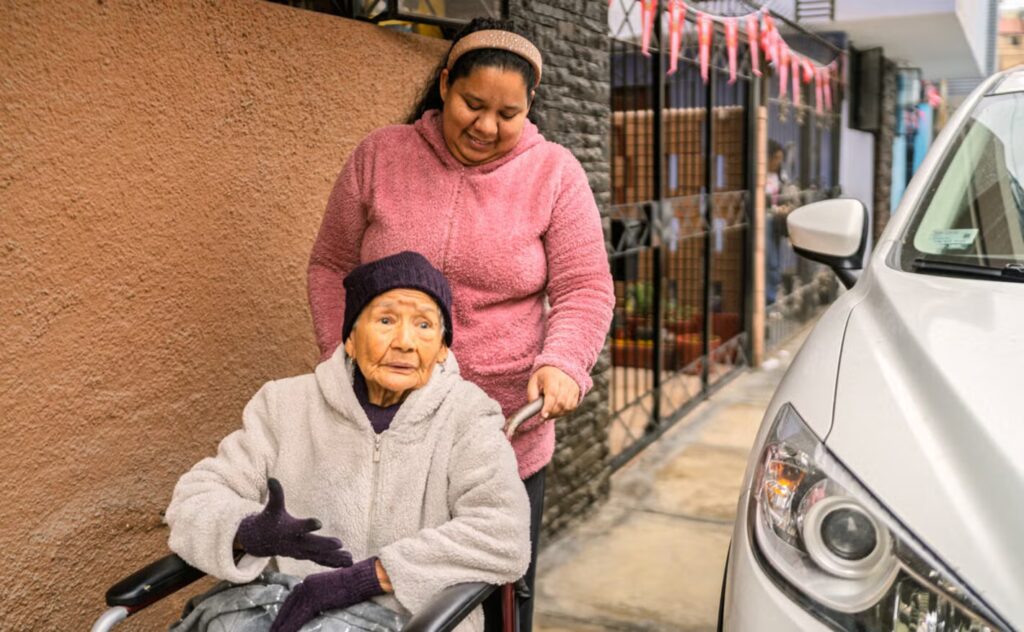
Washington, D.C., April 15, 2026 (PAHO) – The Pan American Health Organization (PAHO) has launched a new series of policy briefs to support countries in strengthening long-term care across the Americas, in response to rapid population aging and growing care needs.In Latin America and the Caribbean, an estimated 14.4% of people aged 65 and older — around 8 million individuals — require long-term care, a figure projected to rise to 16% by 2050.Long-term care includes support for people who, due to chronic illness, disability, or dependency, are unable to carry out basic and instrumental activities of daily living on their own, such as bathing, dressing, eating, using the bathroom or telephone, moving, or taking medications.According to Patricia Morsch, PAHO’s Regional Advisor on Healthy Aging, long-term care encompasses all activities — paid or unpaid — that help maintain or improve a person’s functioning and compensate for temporary or permanent loss of capacity. “While care needs can arise at any age, they become more common as people grow older,” she said.PAHO notes that not all people with disabilities require long-term care, but warns that the prevalence of severe functional limitations is increasing, partly due to the rise in noncommunicable diseases, including neurological and mental health conditions, as well as population aging.At the same time, current systems face major challenges, including limited service coverage, shortages and undervaluation of the care workforce, and insufficient data to inform decision-making.In the region, nearly 70% of long-term care is provided by women in the family, often without pay or adequate support. This places a significant burden on them and highlights persistent gender inequalities. PAHO stresses that policies must address not only those receiving care, but also those providing it.The COVID-19 pandemic helped bring greater visibility to the importance of long-term care and created an opportunity to move toward more integrated systems that link health and social protection, centered on individuals and their families.New guidance to strengthen long-term care systemsThe new series of documents aims to operationalize PAHO’s Regional Policy on Long-Term Care (2025–2034), translating it into actionable recommendations to improve access, quality, and equity in long-term care. The first three publications focus on key areas: person-centered long-term care; the roles, rights, and needs of paid and unpaid caregivers; and governance and financing of long-term care systems. They were developed in collaboration with international partners, including the International Labour Organization (ILO) and the Inter-American Development Bank (IDB).The documents provide key concepts, country examples, and practical recommendations to strengthen governance, expand the long-term care workforce, improve service integration, and advance sustainable financing mechanisms.PAHO emphasizes that long-term care should not be limited to institutional settings, but should be primarily delivered in homes and communities, respecting people’s rights, dignity, autonomy, and preferences.The release comes at a critical moment, midway through the United Nations Decade of Healthy Ageing (2021–2030), which identifies long-term care as a priority area for action. “Strengthening long-term care is essential to advancing more equitable, integrated, and people-centered health and social protection systems,” Morsch concluded.
Links
 Policy briefs on long-term care
PAHO launches new policy briefs to strengthen long-term care in Latin America and the Caribbean
Around 8 million people aged 65 and over require support with basic daily activities in the Region
Washington, D.C., April 15, 2026 (PAHO) – The Pan American Health Organization (PAHO) has launched a new series of policy briefs to support countries in strengthening long-term care across the Americas, in response to rapid population aging and growing care needs.In Latin America and the Caribbean, an estimated 14.4% of people aged 65 and older — around 8 million individuals — require long-term care, a figure projected to rise to 16% by 2050.Long-term care includes support for people who, due to chronic illness, disability, or dependency, are unable to carry out basic and instrumental activities of daily living on their own, such as bathing, dressing, eating, using the bathroom or telephone, moving, or taking medications.According to Patricia Morsch, PAHO’s Regional Advisor on Healthy Aging, long-term care encompasses all activities — paid or unpaid — that help maintain or improve a person’s functioning and compensate for temporary or permanent loss of capacity. “While care needs can arise at any age, they become more common as people grow older,” she said.PAHO notes that not all people with disabilities require long-term care, but warns that the prevalence of severe functional limitations is increasing, partly due to the rise in noncommunicable diseases, including neurological and mental health conditions, as well as population aging.At the same time, current systems face major challenges, including limited service coverage, shortages and undervaluation of the care workforce, and insufficient data to inform decision-making.In the region, nearly 70% of long-term care is provided by women in the family, often without pay or adequate support. This places a significant burden on them and highlights persistent gender inequalities. PAHO stresses that policies must address not only those receiving care, but also those providing it.The COVID-19 pandemic helped bring greater visibility to the importance of long-term care and created an opportunity to move toward more integrated systems that link health and social protection, centered on individuals and their families.New guidance to strengthen long-term care systemsThe new series of documents aims to operationalize PAHO’s Regional Policy on Long-Term Care (2025–2034), translating it into actionable recommendations to improve access, quality, and equity in long-term care. The first three publications focus on key areas: person-centered long-term care; the roles, rights, and needs of paid and unpaid caregivers; and governance and financing of long-term care systems. They were developed in collaboration with international partners, including the International Labour Organization (ILO) and the Inter-American Development Bank (IDB).The documents provide key concepts, country examples, and practical recommendations to strengthen governance, expand the long-term care workforce, improve service integration, and advance sustainable financing mechanisms.PAHO emphasizes that long-term care should not be limited to institutional settings, but should be primarily delivered in homes and communities, respecting people’s rights, dignity, autonomy, and preferences.The release comes at a critical moment, midway through the United Nations Decade of Healthy Ageing (2021–2030), which identifies long-term care as a priority area for action. “Strengthening long-term care is essential to advancing more equitable, integrated, and people-centered health and social protection systems,” Morsch concluded.
Links
 Policy briefs on long-term care

It is a long established fact that a reader will be distracted by the readable content of a page when looking at its layout. The point of using Lorem Ipsum is that it has a more-or-less normal distribution of letters, as opposed to using ‘Content here, content here’, making it look like readable English. Many desktop publishing packages and web page editors now use Lorem Ipsum as their default model text, and a search for ‘lorem ipsum’ will uncover many web sites still in their infancy.

It is a long established fact that a reader will be distracted by the readable content of a page when looking at its layout. The point of using Lorem Ipsum is that it has a more-or-less normal distribution of letters, as opposed to using ‘Content here, content here’, making it look like readable English. Many desktop publishing packages and web page editors now use Lorem Ipsum as their default model text, and a search for ‘lorem ipsum’ will uncover many web sites still in their infancy.

The point of using Lorem Ipsum is that it has a more-or-less normal distribution of letters, as opposed to using ‘Content here, content here’, making

The point of using Lorem Ipsum is that it has a more-or-less normal distribution of letters, as opposed to using ‘Content here, content here’, making it look like readable English. Many desktop publishing packages and web page editors now use Lorem Ipsum as their default model text, and a search for ‘lorem ipsum’ will uncover many web sites still in their infancy.

EmoNews Contributor

RECENT POSTS

CATEGORIES

Leave a Reply

Your email address will not be published. Required fields are marked *

SUBSCRIBE US

We’re excited to introduce Emonew, Dominica’s fresh new source for general country news. From community updates to national stories, we’re here to keep you informed, connected, and up to date.

Copyright Emonews 2025